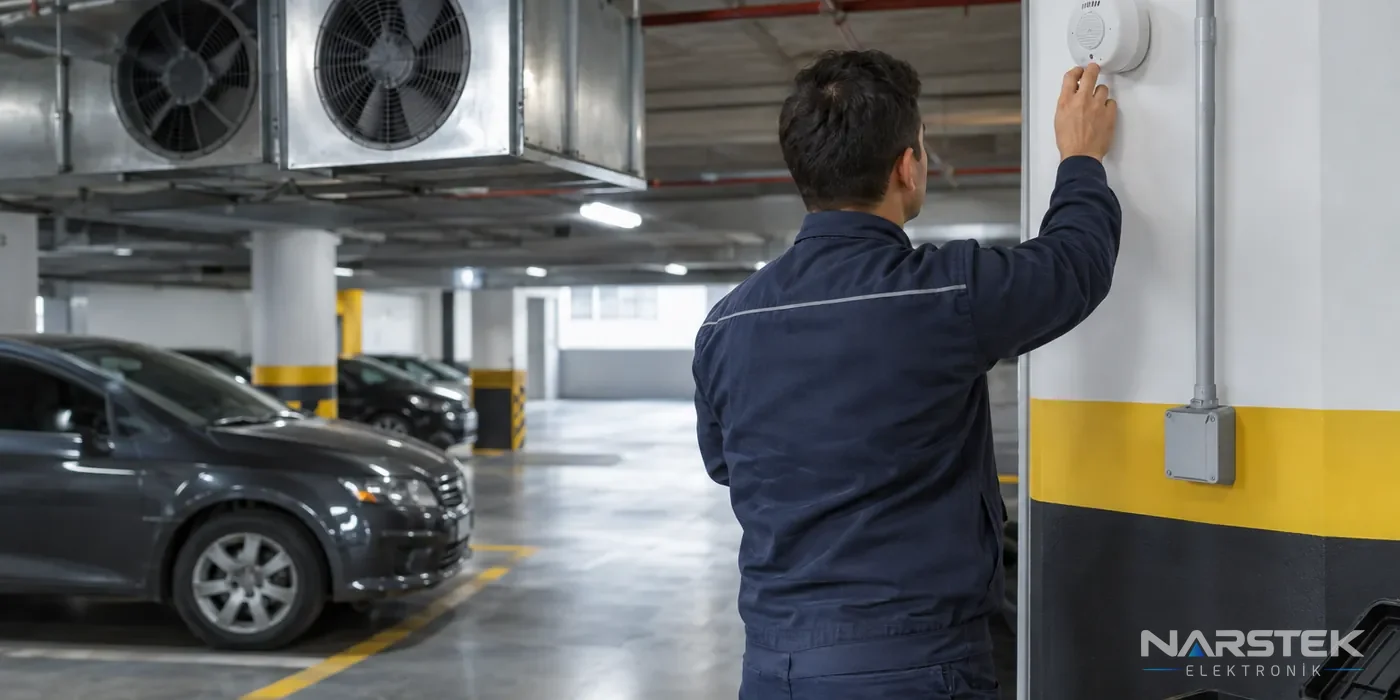
Carbon monoxide detector calibration checks whether the sensor detects CO levels accurately. Managers of enclosed car parks should not simply check that the detector is operational; they should also routinely check measurement accuracy, alarm transmission and fan activation.
CO building up from vehicle exhausts may cause the mechanical ventilation to operate in stages. To ensure this function is reliable, the detector, control panel and fan outputs should be assessed together. The system is separate from fire detection, although it may operate in coordination with the fire system as part of the building scenario.
Why is CO detector maintenance necessary?
Carbon monoxide in car park air is invisible. Detectors monitor this gas and transmit measurement information to the CO panel or control system. The ventilation stage may be activated according to the thresholds specified in the project. A loss of sensor accuracy over time or a fault in the connections can prevent this chain from operating correctly.
Checking only the indicator on the detector is not sufficient during maintenance. Gas detection by the sensor, receipt of the alarm by the panel and activation of the relevant fan output must each be tested separately. For more information about the layout and operation of an enclosed car park system, see our article on the enclosed car park CO detection system.
Electrochemical sensor life and replacement time
Electrochemical sensors commonly used for CO detection generally have a service life of 3–5 years. This period may vary depending on the manufacturer’s documentation for the device and sensor. Even if a detector looks normal, its sensor may have reached the end of its service life or may not provide the expected response during testing.
When a sensor needs replacing, it is not sufficient to choose one that simply fits the same housing. Compatibility with the detector model, the manufacturer’s replacement instructions and a subsequent calibration check must all be considered. After replacement, confirm that the panel recognises the detector and receives its alarm information correctly.
Service records should include each detector’s location, model, sensor age and maintenance carried out. This makes it possible to identify devices approaching sensor replacement time in advance, rather than having replacements become necessary all at once and without planning. Explore different types of CO detectors in the Carbon Monoxide (CO) Detectors category.
How are calibration and function tests carried out?
Calibration should be carried out by competent service personnel using equipment and calibration gas in accordance with the manufacturer’s procedure. A detector appearing normal in ambient air does not, by itself, prove measurement accuracy. The gas used and the application method must be suitable for the device; follow the manufacturer’s documentation for the gas application time and connection adapter.
During the check, zero and span steps are assessed. The zero check assesses the sensor’s response under reference conditions with no CO present; the span check assesses its measurement response to a known calibration gas. The readings are compared with the tolerances specified in the manufacturer’s instructions. If there is a deviation, the device may need calibration or the sensor may need replacing.
A calibration gas test and a function test are not the same. A function test checks that the gas is detected and the alarm information reaches the panel; calibration assesses how the sensor response compares with the reference. After either procedure, confirm that the detector has returned to normal operation and that no fault or alarm remains on the panel.
- Record the detector’s location, model and indicator status.
- Carry out zero and span checks in accordance with the manufacturer’s procedure.
- Confirm that the alarm information is correctly associated with the relevant detector or zone on the panel.
- Check that the device has returned to normal operation at the end of the test.
Maintenance records should also clearly state that the CO system is a monitoring system separate from the fire detection system. The two systems may operate in coordination during a fire scenario, but a CO test should not be considered a substitute for testing fire detectors. For separate fire system maintenance checks, see our article on the fire alarm system maintenance checklist.
Fan outputs and ventilation scenario
The outputs from the CO panel to the fans are an important part of maintenance. During testing, an appropriate test scenario is applied via the detector or panel; observe whether the relevant alarm information triggers the correct output and whether the fan operates at the expected speed. The test should be planned in advance with the building operators to avoid affecting car park use or equipment safety.
Starting the fan manually does not show that the automatic CO scenario is working correctly. Check together that information from the sensor reaches the panel, the thresholds and stages specified in the project are correctly matched, and the output relay and fan controls respond. If the control system operates the fan in conjunction with other equipment, assess the activation sequence in accordance with the project and manufacturer’s documentation.
Detector mounting height and coverage can also be reviewed during maintenance. CO detectors are generally mounted at 1,5–1,8 m above floor level, at breathing height. Coverage depends on the manufacturer and the project; in common applications, one detector may cover several hundred square metres. Detectors that have been moved or are obstructed may not provide representative measurements.
Annual maintenance plan for car park managers
The purpose of an annual plan is not to cram every check into a single day; it is to define responsibilities, test scope and record-keeping methods in advance. The plan below is a recommended operational schedule. The manufacturer’s instructions, project requirements and the system’s current condition should determine the calibration frequency and procedures.
| Period | Work to be carried out | Record |
|---|---|---|
| At the start of the year | Review the detector list, models and sensor age; schedule service and test dates. | Up-to-date equipment inventory and annual schedule |
| During a planned service visit | Arrange a visual inspection, suitable zero and span checks using calibration gas, alarm transmission to the panel and fan output testing. | Measurement results, outputs tested and faults identified |
| During the year | After a fault or sensor replacement, recheck the relevant detector and associated scenarios. | Replacement date, part used and retest result |
| At the end of the year | Identify any outstanding tests and upcoming sensor replacements, and carry them forward to the plan for the new period. | Close-out notes and follow-up actions |
Records should include the date, technician or service provider details, detector address or location, test method used, result, any adjustment or replacement made, and follow-up actions. If a device fails a test, record with the building managers which part of the system is affected until the fault is resolved and how temporary operating measures will be managed.
Example products from the catalogue
Detector selection depends on compatibility with the existing panel and the car park’s monitoring architecture. Product features vary by model; confirm compatibility with the existing system’s make and model before replacement.
- Finder GF 1224 CO, a gas detector with two alarm outputs for three CO levels.
- Kilsen KMD300, an electrochemical sensor detector compatible with KM300 series panels.
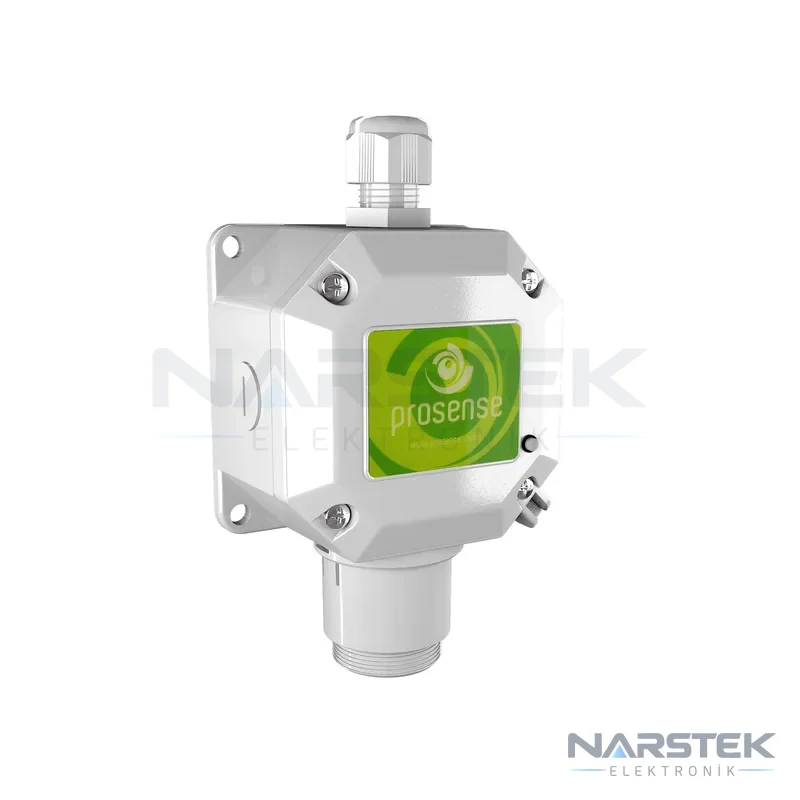
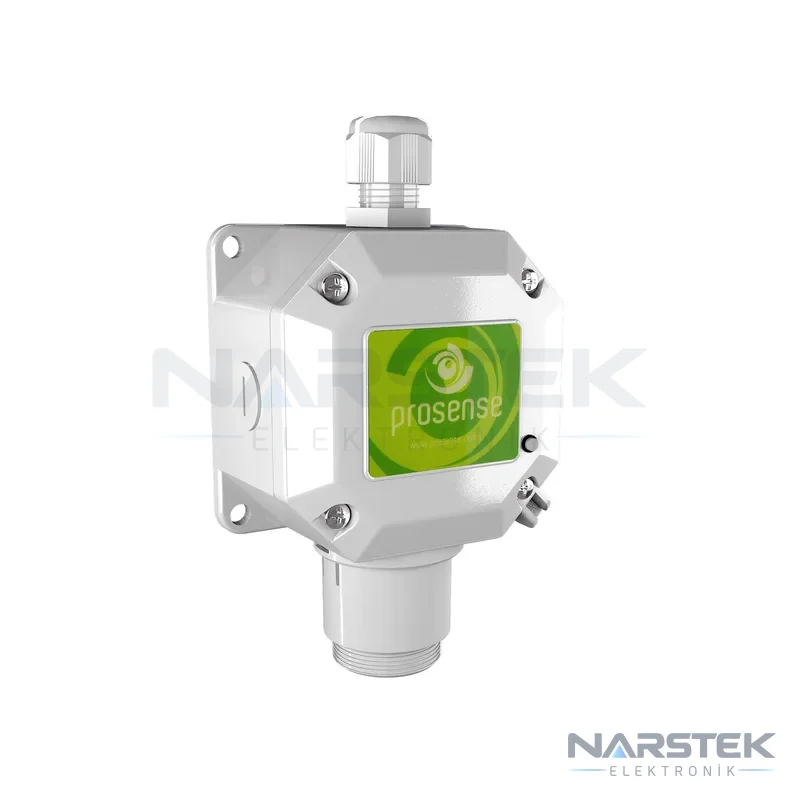
- Prosense PPS-CO, a detector designed for continuous monitoring in car parks and tunnels, with a Modbus RS485 RTU output.
- Prosense PPSR Serisi, a series offering CO and nitrogen dioxide monitoring options for enclosed car parks and tunnels.
For information about maintenance of the existing system or selecting new detectors, visit our Carbon Monoxide (CO) Detection Systems service page.
To request a maintenance quote from Narstek
Narstek Elektronik, based in Istanbul, provides site surveys, installation, maintenance and fault repair for CO detection systems, as well as project services and product supply across Türkiye. To help us define the maintenance scope accurately, please include the province and district where the car park is located, the number of floors or areas, the number of detectors, detector and panel make and model, and, if known, the dates of the last calibration and sensor replacement in your quote request. Please also state whether the fans are controlled by the CO panel or by another control system.
For a site survey and quote, you can complete the form, contact us by phone on 0212 424 07 24 or via WhatsApp on 0540 001 07 24. You can submit your technical service request using the service form. Our email address is info@narstek.com.
Frequently asked questions
How often should a carbon monoxide detector be calibrated?
There is no single interval that applies to every device. Follow the manufacturer’s maintenance instructions and project requirements, and have a competent service provider assess the need for calibration as part of the annual maintenance plan.
When should a CO detector sensor be replaced?
Electrochemical sensors typically last 3–5 years; the exact period depends on the model and the manufacturer’s documentation. If the test result is unsatisfactory or the manufacturer’s specified service life has expired, plan to replace the sensor and carry out a subsequent check.
What is the difference between a calibration test and an alarm test?
An alarm test checks whether information reaches the panel when gas is detected. Calibration assesses the sensor response against reference conditions using a known calibration gas; one does not replace the other.
Are the fans also tested during maintenance?
Yes. The output from the CO panel to the fans should be checked to confirm that it operates correctly and that the fan starts at the expected speed in the relevant scenario. The test should be coordinated in advance with the car park operator.
Share the panel brand, number of devices and address, and we’ll get back to you about a site survey and quote.