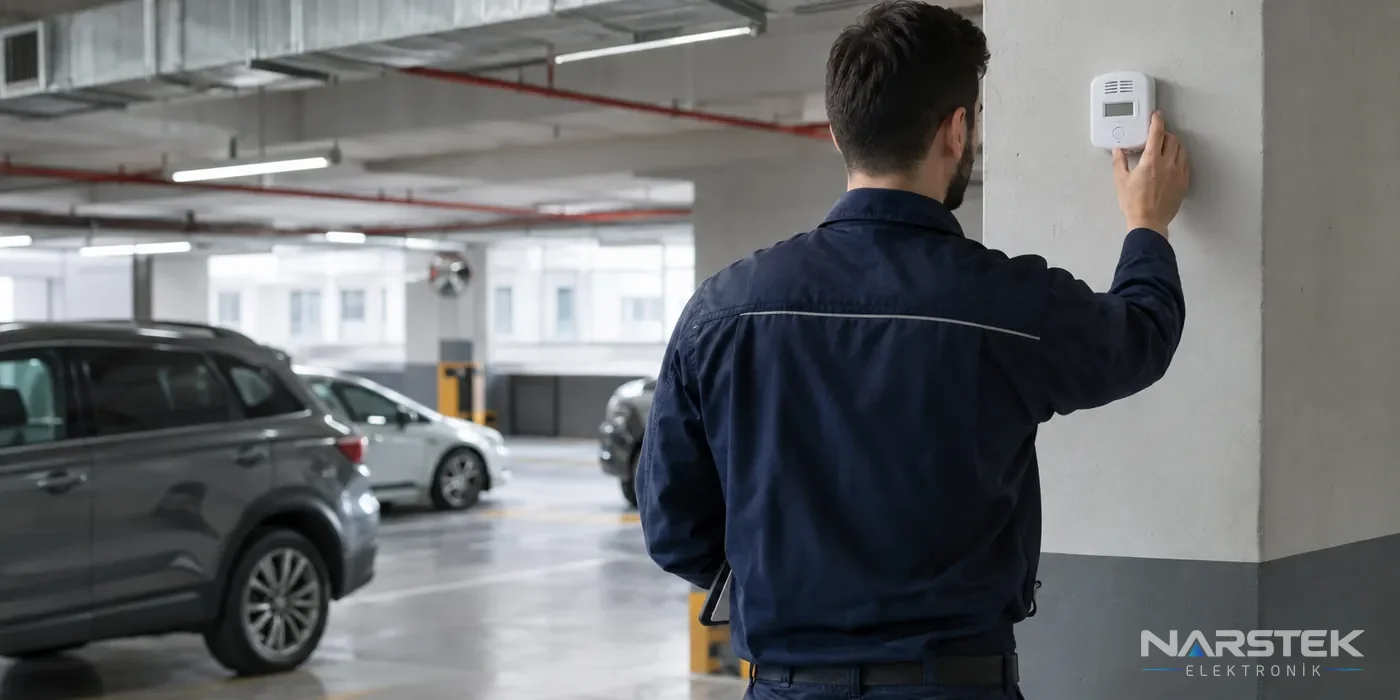
A Carbon Monoxide (CO) detection system in an enclosed car park monitors CO from vehicle exhaust and helps operate mechanical ventilation according to measured levels. Detector locations, coverage, panel outputs and the sequence of fan operation are planned together as part of the design.
Determining the number of detectors solely from the total area of the car park is not sufficient. The floor plan, columns, ramps, partitions and ventilation layout also affect detector placement. The thresholds specified in the project and the documentation for the products to be used form the basis for implementation decisions.
Why is CO monitoring needed in a car park?
Carbon Monoxide from vehicle exhaust can accumulate as vehicles operate in an enclosed space. Rather than running mechanical ventilation continuously at the same capacity, CO-based staged control provides ventilation as needed. The system monitors the measured level and activates fans or other control outputs according to the levels specified in the project.
This system does not replace fire detection. CO detectors operate as part of a separate arrangement to monitor gas levels, while the fire detection and alarm system manages the fire scenario. The control limits should be determined by assessing the car park’s existing carbon monoxide detection systems and ventilation infrastructure together.
How to select detector locations and mounting height
CO detectors are generally mounted 1,5–1,8 m above floor level, close to breathing height. The exact mounting location and orientation should be verified against the manufacturer’s documentation for the selected detector. Columns, wall recesses or obstructions created by vehicles can affect how representative the readings are in a car park.
Vehicle entrance ramps, areas with high parking density and locations where airflow changes should also be considered in the layout. Placing a detector where it is directly affected by supply air or exhaust airflow can make it difficult for its readings to reflect conditions across the car park as a whole. For this reason, the direction of fans and jet fans should be checked on the same plan as the detector locations.
- Do not distribute detectors based only on the number of walls or columns; assess actual areas of use and air movement.
- Mark the mounting height and surrounding obstructions on the project drawings.
- Select locations that will remain accessible for maintenance and testing.
- Before installation, verify the requirements in the manufacturer’s mounting and coverage documentation.
Coverage area and zoning principles
The coverage area per detector varies by product and manufacturer information; in common applications, a detector may monitor an area of a few hundred square metres. This does not mean that the same number of detectors will be suitable for every car park. Due to ceiling and column layouts, parking bays, floor shape and airflow, two areas of the same size may require different layouts.
During planning, the car park is divided into zones that can be meaningfully monitored at the panel. This makes it possible to identify the floor or section where an alarm originated and to assign the relevant ventilation outputs correctly. The number of detectors in each zone and their connection method must be compatible with the panel capacity and manufacturer’s documentation.
Mark detector locations on the floor plan at the preliminary design stage, then check for any coverage gaps and how the fans relate to these areas. When selecting products, also verify that the CO detectors are compatible with the CO control panels. Do not apply a single catalogue coverage figure directly to the entire car park.
Panel, fan stages and jet fan integration
The CO panel evaluates measurements from the detectors and controls outputs according to the thresholds specified in the project. In a staged scenario, one ventilation step may be configured at the first level, with additional fans or alarm outputs activated at higher levels. Which equipment operates at each level should be decided in conjunction with fan capacity and the car park’s mechanical design; thresholds are defined in the project rather than by specifying a fixed ppm value.
Exhaust fans extract polluted air, while the fresh air supply provides air exchange. Jet fans form part of the mechanical system designed to direct airflow within the car park. The connection between the CO panel and the fan control panel is configured via a relay or another suitable interface selected for the project. The control scenario should clearly specify which CO zone commands each fan stage and how operating status is monitored.
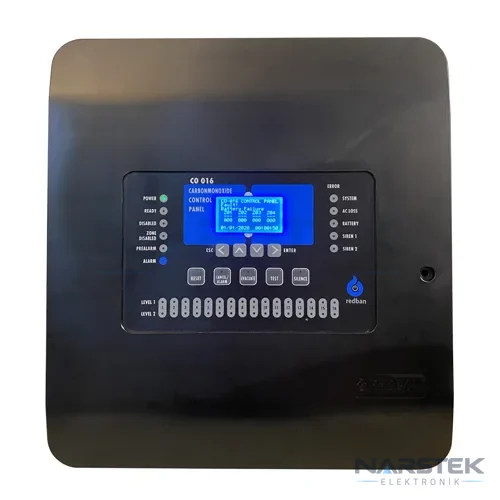
During commissioning, it is not sufficient to check only that the panel produces an output. For each detector zone, verify that the relevant fan stage operates, that the jet fan scenario is consistent with the mechanical design, and that the outputs reach the correct equipment. As one panel option, Redban CO-016 can control fans and other outputs according to three threshold levels; the product’s suitability for the application should be confirmed against the project and product documentation.
Energy savings and coordination with the fire scenario
Demand-controlled ventilation helps prevent fans from running continuously at the same capacity when CO levels are low. Thresholds, fan stages and operating delays must be determined as part of the project. Fans that switch on too frequently can increase energy consumption, while inadequate or incorrectly matched controls may fail to achieve the required air exchange rate.
CO monitoring is kept separate from fire detection, but the scenarios for the two systems must not conflict. Which fans should run, stop or receive a different command in the event of a fire is determined in coordination with the fire and mechanical designs. The functions of the connections between the CO panel, fire panel and fan controls should be defined in the project documentation; both scenarios should be tested separately during commissioning. For the implementation steps on the fire system side, you can also read fire alarm system installation stages.
Product selection, testing and calibration
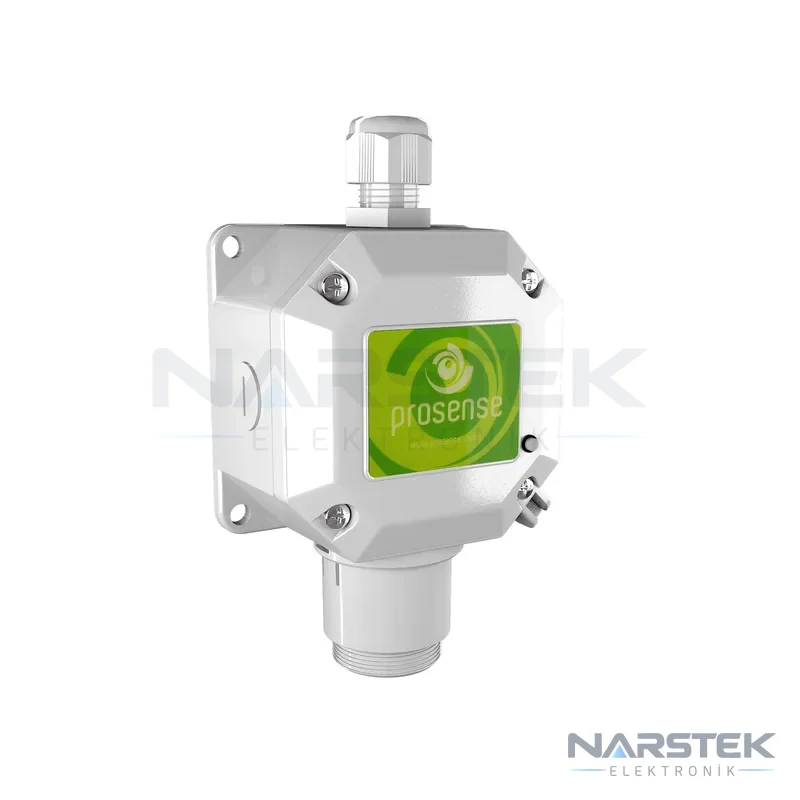
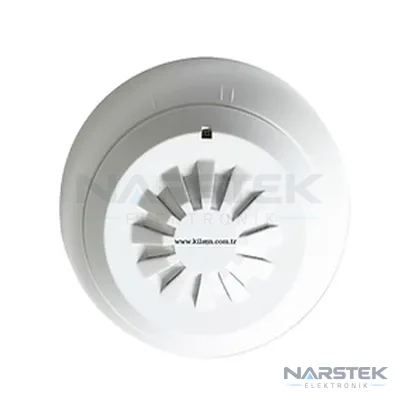
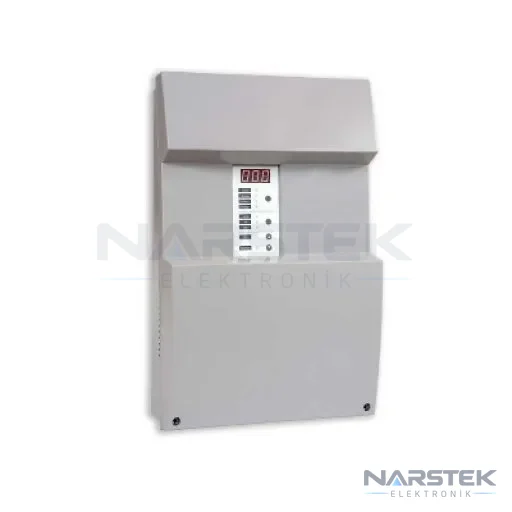
When selecting a product, the detector’s measurement method, communication with the panel, output type and zone capacity should all be considered. For example, Prosense PPS-CO is designed for car parks and tunnels; it uses an electrochemical sensor and provides a Modbus RS485 RTU output. Kilsen KM302 monitors two zones separately, and up to 15 CO detectors can be connected to each zone.
Other options include Global Fire CMD501, which can be expanded from one to three zones and can connect up to 32 detectors per zone. Ziton KMD300, meanwhile, is a microprocessor-based detector and is compatible with the KM300 series carbon monoxide panels. Whether these features are suitable for the project should be checked alongside the devices’ connection and installation requirements.
Electrochemical sensors typically have a service life of 3–5 years. Their service life and need for testing and calibration should be assessed based on the product documentation and site conditions. Maintenance includes checking the panel’s fault logs, detector response, control outputs and fan scenarios. For CO detectors, the maintenance and calibration process should be carried out according to a regular schedule.
Contact Narstek for a site survey
Narstek Elektronik, based in Istanbul, provides site surveys, design, installation, maintenance and fault repair services for CO detection systems, and supplies products for projects across Türkiye. To prepare an accurate quote, please share the car park floor plan, approximate area of each floor, details of the existing fans and jet fans, and the models of the panels and detectors currently in use. Please also include any existing scenario documentation and known faults or coverage issues, if available.
You can fill in the site survey / quote form, call 0212 424 07 24, or message us on WhatsApp at 0540 001 07 24. For maintenance or to report a fault, you can submit a technical service request.
Frequently asked questions
At what height should CO detectors be installed in a car park?
In general, detectors are positioned 1,5–1,8 m above floor level, close to breathing height. The exact mounting location and orientation should be determined in accordance with the product documentation and the physical conditions of the car park.
How many square metres does a CO detector cover?
Coverage depends on the product and the manufacturer’s documentation; values of a few hundred square metres per detector are common. Columns, partitions, ramps and airflow can affect the layout.
Should a CO detection system be connected to the fire alarm control panel?
CO monitoring is a separate system from fire detection. However, the operation of the fans during a fire should be coordinated with the scenarios for both systems.
How often should CO detectors be calibrated?
Periodic testing and calibration are required. The schedule should be based on the product documentation and site conditions; the typical 3–5-year service life of electrochemical sensors should also be taken into account in the maintenance plan.
Share the panel brand, number of devices and address, and we’ll get back to you about a site survey and quote.