
A fire panel battery keeps the panel and connected circuits operating when the mains power is interrupted. If the battery is old, swollen or the panel reports a battery fault, it should be checked. Batteries are commonly replaced every 3–5 years in line with the manufacturer’s recommendations; the final decision should be based on the battery’s condition and system requirements.
Capacity is calculated by considering how long the system must remain on standby during a power cut and how long it must operate in alarm condition. Looking only at the Ah rating on the existing battery is not sufficient. The loads on the panel, external power supplies and connected equipment should be assessed together.
What is the purpose of a fire panel battery?
Under normal conditions, the fire panel runs on mains power and keeps its batteries charged. If the power is cut, the batteries supply the panel and any equipment specified in the project as battery-powered. This allows the system to meet the specified standby period and operate the required outputs during an alarm.
A battery fault warning does not always mean that the battery has reached the end of its service life. A problem with the connections, charging circuit or power supply can also cause the panel to report a battery fault. Note the fault message and assess it alongside any other warnings shown on the panel. The meanings of fire panel fault warnings may help with this initial check.
The backup power and charging arrangements for a fire alarm system are considered as part of the power supply design. TS EN 54-4 relates to power supply equipment used in fire detection and alarm systems. When replacing a battery, follow the connection and battery type information in the panel manufacturer’s documentation.
How are standby and alarm periods calculated?
The calculation covers two separate operating conditions. The standby period is the time the system is expected to remain operational without an alarm; the alarm period is the time the expected load must operate during an alarm. These periods are determined in accordance with the project requirements and relevant manufacturer documentation. A single duration should not be assumed to apply to every system.
The basic calculation is as follows:
Required capacity (Ah) = standby current (A) × standby period (hours) + alarm current (A) × alarm period (hours)
When current is in amperes and time in hours, the result is in ampere-hours (Ah). If current is given in milliamperes, convert it to amperes first. The standby current and alarm current used in the calculation should each represent the total load for the relevant operating condition. Include peripheral devices powered by the battery, as well as the panel.
A safety margin appropriate to the project and the manufacturer's information is added to the calculated capacity. As the usable capacity of batteries can vary depending on operating conditions and discharge characteristics, matching only the formula result to the battery label may not be sufficient to make the right choice. The final check should be made against the battery capacity and connection arrangement specified by the panel or power supply manufacturer.
Example Capacity Calculation
The values below are examples intended only to show how the calculation is performed; they are not recommended design values for any building or panel. Actual current and duration must be determined from the information provided for the panel, external power supplies and project loads.
| Operating condition | Example current | Example duration | Calculated consumption |
|---|---|---|---|
| Standby | 0,35 A | 24 hours | 8,4 Ah |
| Alarm | 1,8 A | 0,5 hours | 0,9 Ah |
| Total | 9,3 Ah |
The example's basic total is 9,3 Ah. When selecting a battery, add the safety margin specified for the project to this value, then check the capacity, number of batteries and connection information in the manufacturer's documentation. For example, if the system requires a 24 V battery bank, the total voltage and connection arrangement of the batteries must be compatible with the power supply. The capacity calculation must also stay within the limit permitted by the panel.
When Should the Battery Be Replaced?
A label on the battery showing its manufacture or commissioning date makes maintenance decisions easier. If there is no label, check the battery replacement date and service records. If the battery's age is unknown, do not rely solely on the fact that the panel is not currently displaying a fault.
- Age: Planning for replacement at approximately 3–5 years, in line with the manufacturer's recommendation, is a starting point. Environmental and operating conditions can affect this period.
- Swelling or deformation: If the battery casing is swollen, cracked or leaking, do not continue using it; call a technical service provider for safe replacement.
- Panel warning: If a battery fault or charging warning appears, the connections and charging circuit should also be checked. Replacing the battery alone may not resolve the issue if the cause of the fault has not been identified.
- Maintenance record: Record the date, test result, battery model and replacement details. Previous and new findings can then be compared during subsequent checks.
Do not open or repair a swollen battery, or try to replace it temporarily with a different battery. As removing the battery may disable the panel's standby power supply, the work should be planned; agree the system downtime and any necessary precautions with the service provider. You can use the fire alarm system maintenance checklist to organise maintenance tasks.
Correct Battery Type and Checks After Replacement
Fire alarm control panels commonly use 12 V VRLA (valve-regulated lead-acid) batteries. However, voltage and capacity alone are not enough to select a battery. The number of batteries, terminal type, dimensions, polarity and the capacity permitted by the panel must be checked against the manufacturer's documentation. Installing a different type of battery or one with an unsuitable capacity can affect charging and standby performance.
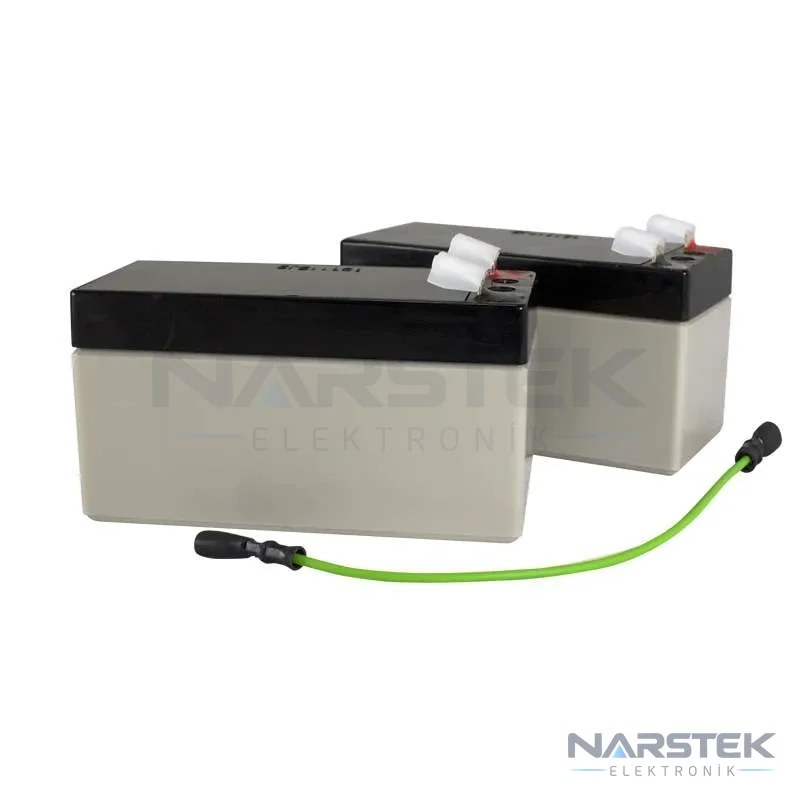
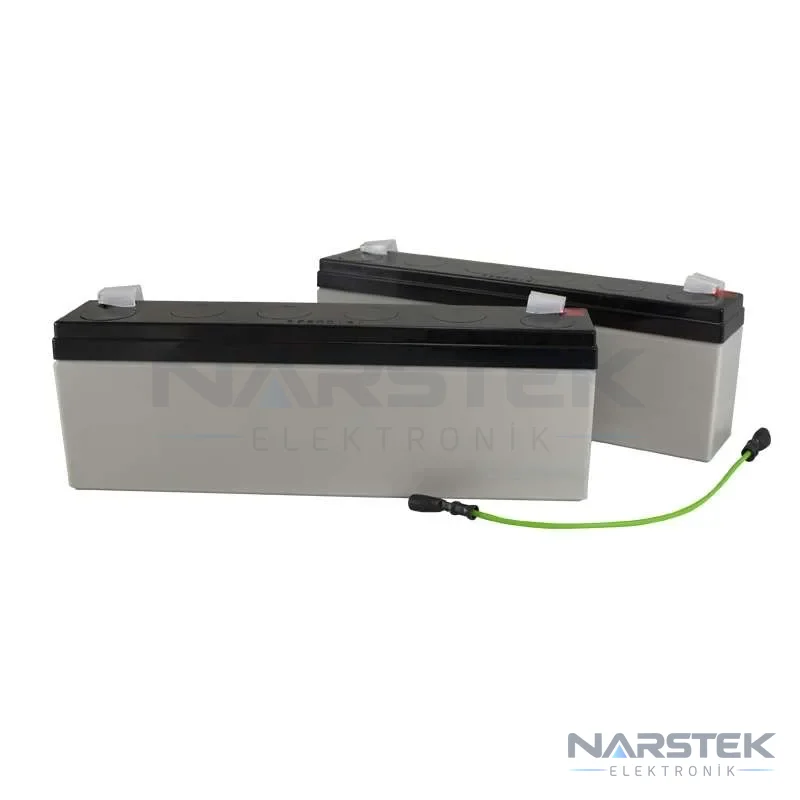
If a battery bank consists of two batteries, verify whether the connection should be in series or parallel according to the system's voltage and capacity requirements. The suitability of the connecting cables and terminals should also be checked. For example, the C-TEC BC283/2, 24 V 1,2 Ah VRLA battery pack and the C-TEC BC284/2, 24 V 2,3 Ah VRLA battery pack listed in the catalogue are supplied with two 12 V batteries and a connecting cable. These are example products and should not be assumed to be compatible with every panel.
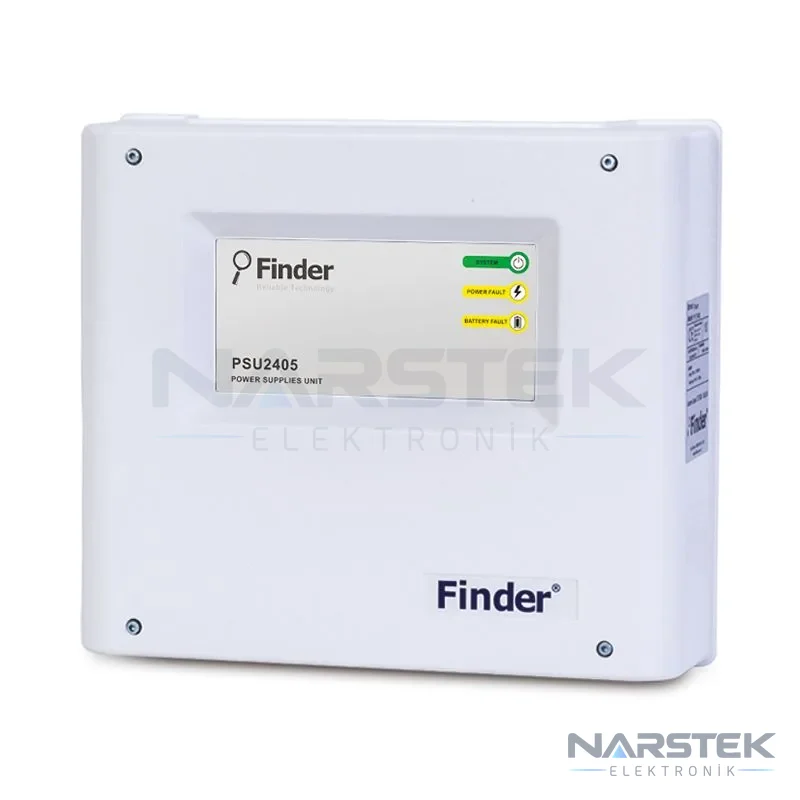
Once replacement is complete, a technician should check the connections, charging status and fault indicators on the panel. The battery replacement should be entered in the panel's maintenance record and the date label updated. In installations with a separate power supply, check the battery information for that unit as well. Finder FF PSU2405 is an example of an external power supply for which the product information specifies support for 7 Ah or 12 Ah batteries; the documentation for the connected system should be used to confirm compatibility.
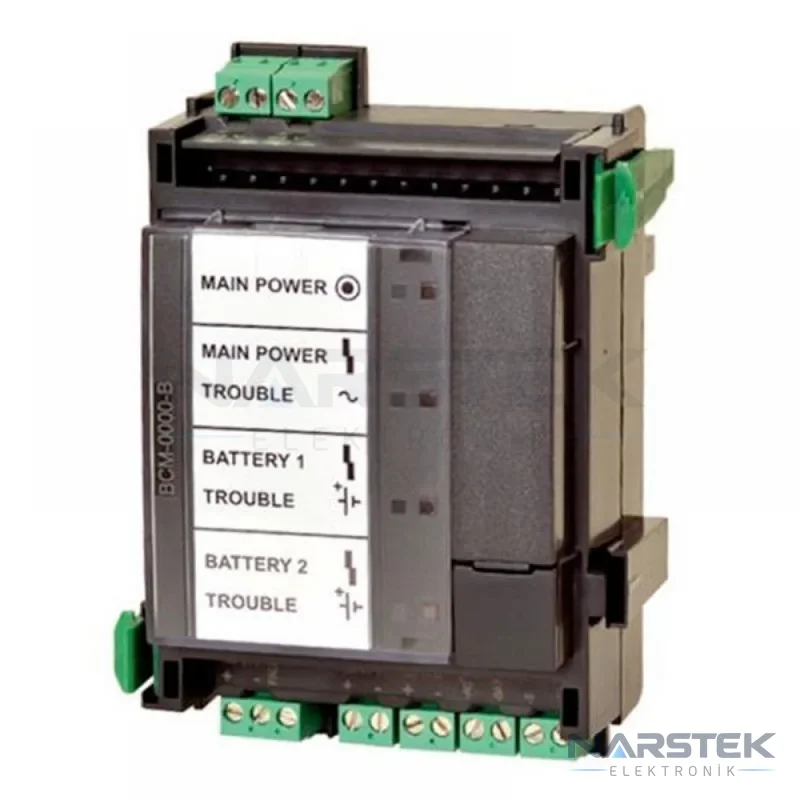
In installations with battery monitoring equipment specific to the panel manufacturer, product compatibility should also be assessed. For example, the BOSCH BCM-0000-B battery controller module is used to monitor battery status in Bosch fire alarm systems. For information about our Security Systems Service and Maintenance service, which can help you plan battery replacement and maintenance, please contact us.
To request a maintenance quote from Narstek
Narstek Elektronik, based in Istanbul, provides site surveys, design, installation, maintenance and fault repair services for fire detection and alarm systems, and supplies products for projects across Türkiye. When requesting a quote for battery replacement or capacity checks, share the panel's make and model, the voltage and Ah values on the battery label, the number of batteries and any fault message displayed on the panel.
If the building has an external power supply, also provide its make and model, the approximate age of the batteries and the date of the last maintenance visit. A photo of the panel or battery bank label can help with the initial assessment. You can use the Request a Survey / Quote form, submit a technical service request, or call us on 0212 424 07 24. You can also reach us on WhatsApp at 0540 001 07 24.
Frequently asked questions
How often should a fire panel battery be replaced?
Replacement is generally planned approximately every 3–5 years, in line with the manufacturer’s recommendations. The battery’s age, maintenance findings and panel warnings should all be considered; if it is swollen or deformed, do not wait for the scheduled interval.
If there is a battery fault warning, should the battery be replaced immediately?
The battery, connections and charging circuit should be checked first. Replacing the battery before confirming the cause of the warning may not resolve the fault if the problem lies in the charging circuit.
Which current values are used in the capacity calculation?
The total standby current and total alarm current are used. Loads from the panel and relevant peripheral devices powered by the battery should be included, in accordance with the manufacturer’s documentation and project details.
Can a battery with a higher Ah rating be fitted in place of a 12 V battery?
The same voltage alone does not guarantee compatibility. Check the manufacturer’s documentation to confirm the capacity range permitted by the panel, battery type, dimensions, connections and charging characteristics.
Share the panel brand, number of devices and address, and we’ll get back to you about a site survey and quote.