A fault warning on a fire alarm control panel indicates that normal operating conditions have been disrupted in part of the system. Messages such as “earth fault”, “open circuit”, “battery fault” or “device missing” do not, on their own, identify the exact cause of the fault; the wording may vary depending on the panel’s make and model.
First, record the message shown on the display, any zone or device information, and the time of the event. If there is smoke, a burning smell or any sign of fire in the building, do not waste time investigating the fault message; follow the emergency procedure. If there are no signs of fire, do not switch off the panel; inform an authorised technical service provider.
How should a fault message be interpreted?
The panel monitors detection and alarm circuits, the power supply and the devices connected to the system. It may log a fault if a circuit is open or short-circuited, there is a power supply problem, or communication with a device is lost. The zone, loop, device address or circuit information shown alongside the warning can help the service provider locate the faulty section.
In Addressable systems, devices appear on the panel under their individual addresses. In Conventional systems, the panel generally monitors devices by zone. Therefore, a “device missing” message may identify a specific device in an Addressable system, while a similar issue may appear as a zone warning in a Conventional system. If you do not know how the system is configured, note the panel’s make and model and the message shown on the display.
| Warning shown on the panel | Possible meaning | Safe first step |
|---|---|---|
| Earth fault | Possible unwanted electrical contact or leakage between a circuit and earth | Record the warning text and the time it occurred, then call the service provider |
| Open circuit | Possible broken cable, loose connection or interruption in the circuit | Note the zone or circuit indicated on the panel |
| Short circuit | Possible unwanted contact between conductors in the circuit | Do not open the circuit or interfere with the wiring |
| Battery or charging fault | The battery, its connections or the charging circuit may need to be checked | Check the mains supply status; do not switch off the panel |
| Device missing | The panel may be unable to communicate with a device, or the device may be out of service | Record the device address or zone shown |
| Sounder circuit fault | Possible open circuit, short circuit or connection problem in the audible alarm circuit | Report the fault to the service provider; do not disable the circuit |
Earth fault, open circuit and short circuit
An earth fault warning may be caused by damaged cable insulation, moisture or a connection problem in the installation. The circuit indicated by the message and whether the fault is continuous or intermittent can help guide the service investigation. Opening the panel and touching conductors, or disconnecting cables to look for the fault, is not a safe action for users.
“Open circuit” generally means that electrical continuity in the circuit has been interrupted. Possible causes include cable damage, a loose connection or a problem at a device connection point. A “short circuit” warning indicates possible unwanted contact in the circuit. In either case, fire detection or alarm functions may be affected, so record the circuit shown on the panel and pass the information on to the technical service provider.
In Addressable systems, the loop is the circuit connecting the panel to the devices. In some systems, isolators help protect the rest of the loop in the event of a short circuit. This does not mean the fault is unimportant; any potentially affected devices or sections must be assessed using the system design and panel records.
Battery, mains and fuse warnings
A mains fault may indicate an interruption to the panel’s normal power supply. The battery provides power to keep the system operating during a power cut; however, the fact that the battery has taken over does not mean the building can continue operating in this condition for an extended period. Check with the authorised building personnel whether the power cut affects the entire building, and pass the panel message on to the service provider.
A battery or charging fault may be related to an ageing battery, a connection problem or an issue with the charging circuit. Fire alarm panels generally use 12 V VRLA lead-acid batteries, which may need to be replaced approximately every 3–5 years in line with the manufacturer’s recommendations. The required capacity is calculated based on standby and alarm duration requirements; a battery should not be selected on physical size alone. For more information, see our fire panel battery replacement and capacity calculation article.
A fuse warning or fuse-related fault may indicate that a protective device has tripped or that there is a problem in the relevant circuit. Replacing the fuse repeatedly, fitting a fuse with a higher rating, or bridging the fuse with a wire can create a risk of fire and equipment damage. Fuse replacement and circuit checks must be carried out by an authorised technician in accordance with the panel manufacturer’s documentation.
What should you do if there is a device missing or sounder circuit fault?
A “device missing” warning may indicate that an Addressable panel cannot communicate with a detector or module. Interventions such as removing the device, disconnecting its wiring or changing its address may make the cause of the message worse. If the device address is shown on the panel, record it exactly; if not, note the zone, loop or section information.
A sounder circuit fault may affect the operation of audible alarm devices, even if fire detection is still working. Users cannot always tell from the panel whether the fault affects all alarm devices or only part of the circuit. Do not trigger an alarm at random to test the sounders; if testing is required, plan it with the building manager and service provider.
The way faults are displayed on the control panel differs between addressable and conventional systems. Addressable detectors and modules also depend on the panel’s communication protocol; devices from different brands are not always compatible. For more information about system types, see our article on the difference between addressable and conventional fire alarm systems.
What users can safely do
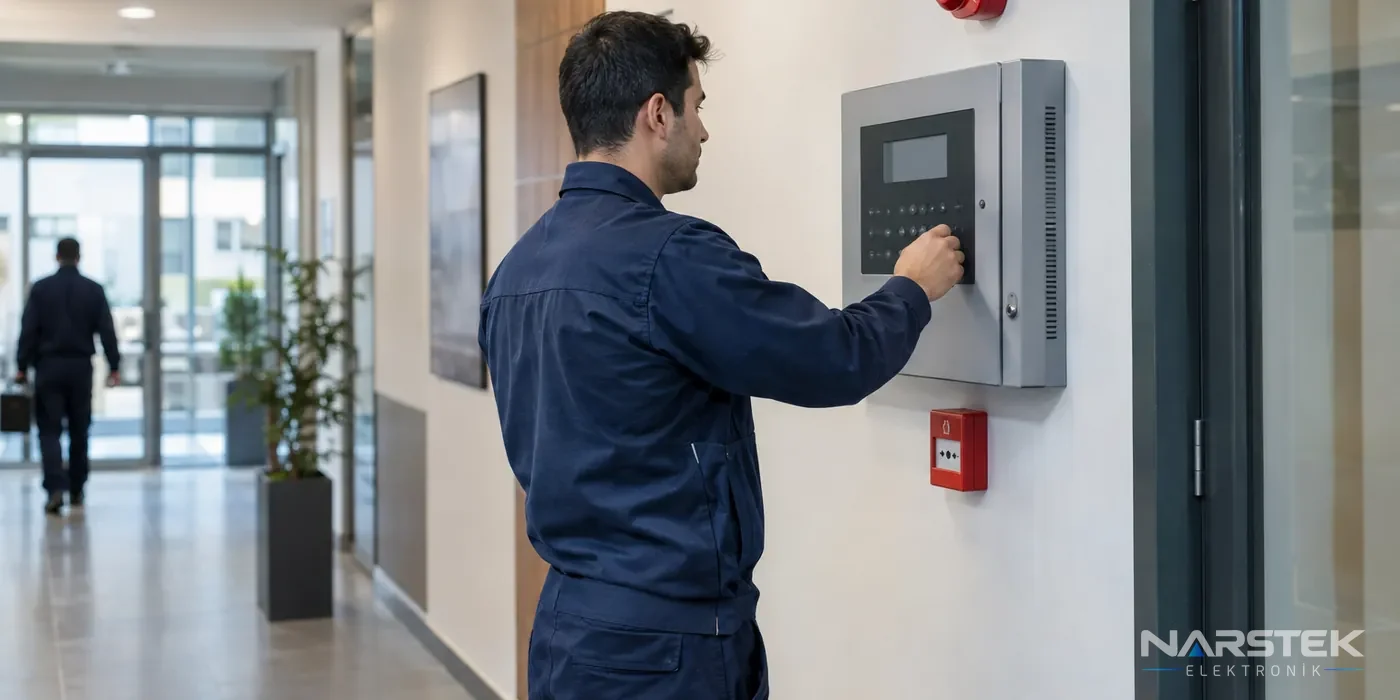
The user’s aim is not to repair the fault, but to preserve the correct information and pass it on to the service team. If permitted by the panel user manual and the building’s procedures, the fault buzzer can be silenced. This does not resolve the fault or disable the fire detection system; continue to monitor the message and fault indicator on the display.
- Take a photo of the message and record the date and time, as well as the zone or device address.
- Check whether there has been a mains power interruption, in a way that the building manager can do safely.
- Tell the service team when the fault started and whether it cleared by itself and then returned.
- If there are signs of fire, follow the building’s emergency procedures; silencing the fault must not replace evacuation or emergency response.
Do not permanently disable a zone, remove devices, alter wiring connections or bridge a fuse. Disabling a zone may affect detection or notification in that area. If a temporary measure is needed, agree its scope and duration with the service team; record the action and have them verify that the system has been returned to service.
For recurring faults: maintenance and product compatibility
For recurring warnings, simply clearing the message on the display is not enough. The installation, connection points, battery condition and panel event logs need to be assessed together. You can request fault diagnosis and maintenance through the Security Systems Service and Maintenance service, and refer to our article on fire panel and detector maintenance for information about the scope of routine inspections.
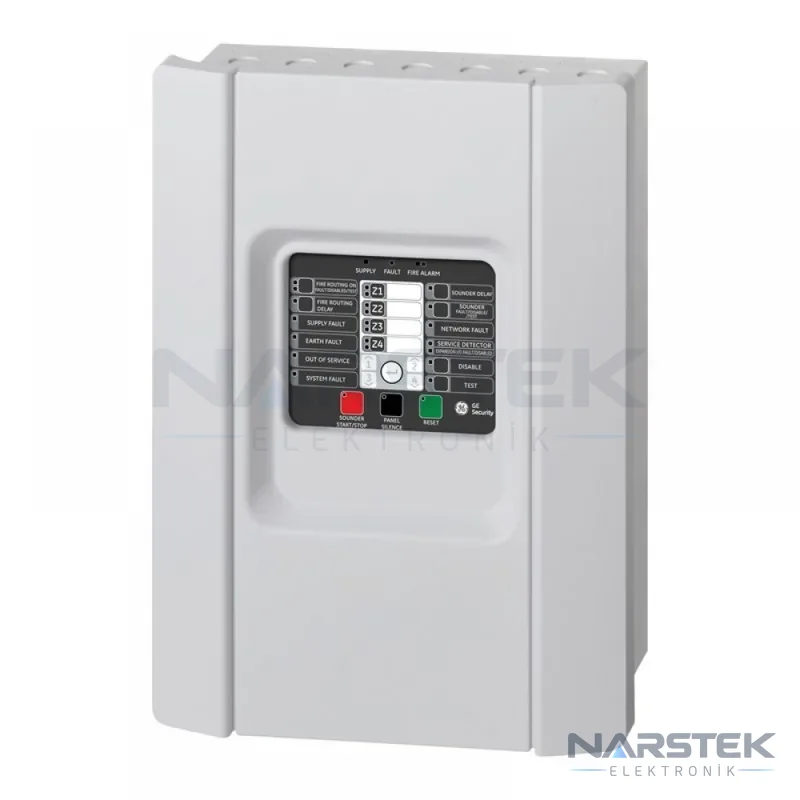
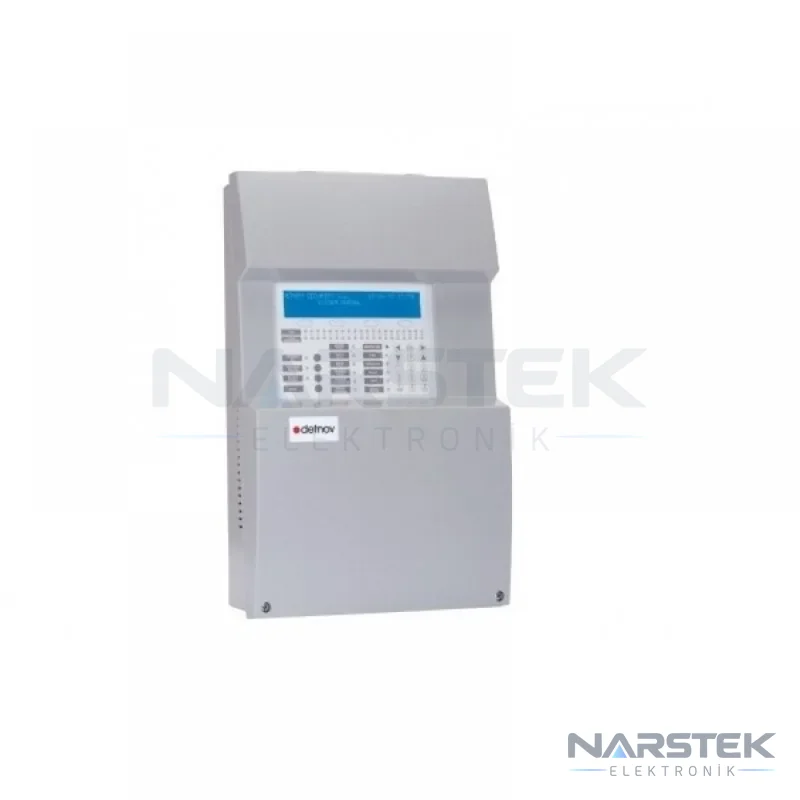
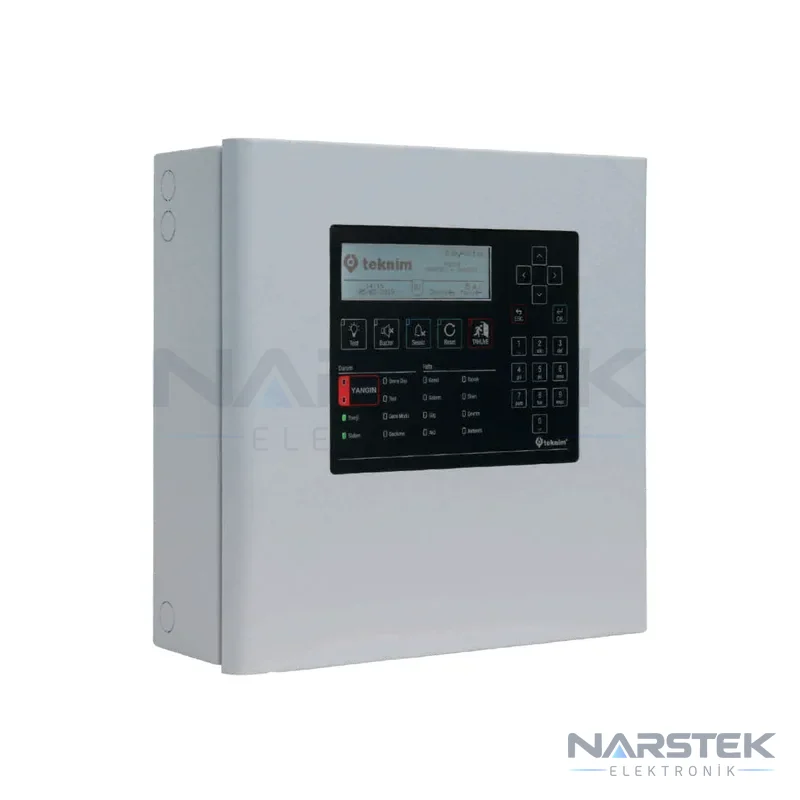
If you are considering replacing or expanding the panel, first establish whether the existing system is conventional or addressable, along with the device protocol and installation layout. As examples, you can view the 1X-F4 conventional panel, the CAD-150-1 addressable panel and the TFP-1211 addressable panel in our catalogue. These are not direct replacement recommendations based on a fault message; selection should be based on the existing project and compatibility. See the Fire Panels category for other options.
Request service and a site survey from Narstek
Narstek Elektronik provides site surveys, design, installation, maintenance and fault repair services for fire detection and alarm systems, based in Istanbul. When reporting a fault, provide the panel make and model, the exact warning text shown on the display, the zone or device address if available, and when the warning started. A photo of the panel display, whether the system is addressable or conventional, and details of any recent building work or power cuts will also help with the initial assessment.
For technical service, use the service request form or call 0212 424 07 24. You can send the panel message and a photo via WhatsApp to 0540 001 07 24. For a project or site survey quote, complete the site survey and quote form, and include the full address, building use, details of the existing system and your requirements.
Frequently asked questions
Is it safe to silence the fire alarm panel fault buzzer?
If permitted by the panel's user manual and the building's procedures, you can silence the fault buzzer only. This does not resolve the fault; note the message and report it to technical service. If there are signs of a fire, follow the emergency procedure.
What does a “line open” warning on a fire alarm panel mean?
It may indicate a broken cable, loose connection or circuit interruption. Make a note of the zone, loop or line indicated by the panel; do not attempt to open or repair the wiring.
Will the panel continue to operate when it displays a battery fault warning?
The panel’s status depends on the mains supply and the condition of the battery; the warning on the display alone does not indicate how long it will continue to operate. Pass the mains and battery messages on to the service provider, and have the battery capacity and replacement checked in line with the manufacturer’s recommendations.
Can I disable the zone to clear the fault?
Do not permanently disable the zone; this may affect detection or alarm functions in that area. If temporary disabling is necessary, plan it with an authorised service provider and keep a record of the action.
Share the panel brand, number of devices and address, and we’ll get back to you about a site survey and quote.