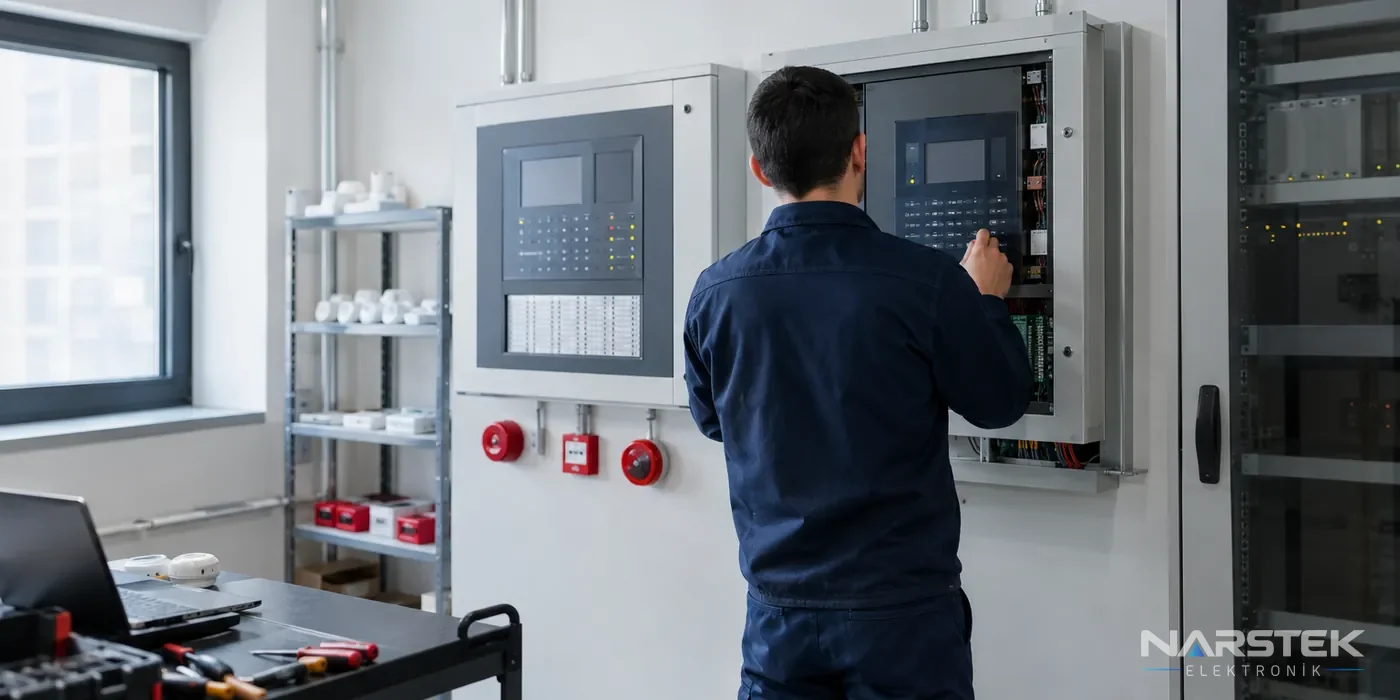
The main difference between addressable and conventional fire alarm systems is how precisely the control panel can identify the point from which an alarm originated. An addressable system identifies each device by a unique address, while a conventional system monitors detectors and manual call points by the zones to which they are connected.
The choice is therefore not based on the panel cost alone. The building’s size, how its areas are used, the level of detail needed for fault-finding, cabling options and plans for future expansion should all be considered. The differences between addressable and conventional systems are explained below in terms of their practical implications.
How the system works and how the fire location is identified
In an addressable system, detectors, manual call points and compatible modules communicate with the panel. As each device has its own address, the panel can associate an alarm, fault or device status with a specific point. For example, the display may show a particular detector or module defined in the system, rather than just a zone name. How these addresses are configured and how the devices communicate with the panel depend on the protocol used. Devices from different manufacturers are often incompatible, so the devices and panel should be selected together.
In a conventional system, the panel monitors devices in groups known as zones. It identifies the zone where the alarm originated, but the panel alone cannot show which detector in that zone triggered the alarm. Zone boundaries should be planned to correspond to areas that are easy to locate in the building, such as floors, corridors or areas with a particular use. A zone plan and on-site labels are also important for finding the exact location after an alarm.
The difference between addressable and conventional systems is also evident during fault-finding. An addressable panel that identifies an individual device gives the maintenance team more direct information. With a conventional panel, the devices in the relevant zone may need to be checked.
Loop and zone cabling
One common connection arrangement for addressable systems is a loop. A loop is installed as a ring circuit, fed from both ends. Isolators on the line help keep the remaining part of the line operational if a short circuit occurs. The number of devices and the connection arrangement should be determined in accordance with the panel’s technical documentation.
In a conventional system, detectors and manual call points are connected to the panel via zone circuits. The panel assesses devices by zone, not by individual address. The number of zones required is determined during design, based on the building’s layout and the panel’s capacity. Clear zone names make it easier for the site team to reach the correct area when an alarm occurs.
Fire-resistant, halogen-free cable should be selected and installed in accordance with the project requirements for the fire alarm circuits of both system types. Cables in class FE180 or PH120 are examples of fire-resistant cables that may be used. Cable routes, joints, labelling and installation also affect system maintenance, so the cable type alone should not determine the choice.
What costs are involved
The cost of individual devices and panels for an addressable system may be higher than for a conventional solution, depending on the project. However, identifying each device separately can reduce fault-finding and maintenance time. A conventional system may have a lower initial cost, but as the number of devices per zone increases, locating a fault may require more on-site checks. For this reason, a single general price comparison may not give an accurate result.
When comparing quotes, break down the costs into the following items:
- Panel, panel capacity and any required expansion cards
- Detectors, manual call points, audible and visual alarm devices
- Modules, isolators and other system components
- Fire-resistant cable, conduit or trunking, and installation materials
- System design, installation, addressing or zone configuration, and commissioning
- Testing, user briefing and maintenance services
For both system types, battery and power supply calculations should be based on the system’s standby and alarm duration. Panel batteries are generally 12 V lead-acid (VRLA) batteries; depending on the manufacturer’s recommendations, they may need to be replaced approximately every 3–5 years. Power supply selection and calculation are assessed in accordance with TS EN 54-4.
Which system is right for which building
A conventional system may be considered for smaller buildings with few areas, where it is sufficient to know which zone the alarm came from. Clearly defined zones and the building’s existing cabling conditions may support this choice. However, if new areas may be added later or many separate areas need to be monitored, capacity and maintenance requirements should be considered from the outset.
In multi-storey buildings, buildings divided into separate areas, or premises where the use of areas changes frequently, the device-level indication provided by an addressable system gives operations and maintenance teams more detailed information. The right system depends on more than the size of the building. Alarm management, evacuation arrangements, existing infrastructure and expansion requirements should also be considered in the design. Find out more about fire detection solutions on our Fire Detection and Alarm Systems service page, and explore different options in the Fire Alarm Panels category.
When selecting panels and devices, check that the products are compatible with the relevant system. Smoke detectors are covered by EN 54-7, heat detectors by EN 54-5, and manual call points by EN 54-11. Audible alarm devices are covered by EN 54-3, visual alarm devices by EN 54-23, wireless components by EN 54-25, aspirating detectors by EN 54-20, and beam detectors by EN 54-12. EN 54-16 applies to voice alarm control equipment. The components required for a project are determined according to the intended use.
Maintenance and system expansion
As an addressable panel can identify the device in alarm or fault, it can narrow down the search area during maintenance. With a conventional system, checks are generally carried out by zone. Both system types require regular checks of detectors, manual call points, alarm devices, circuits and batteries. For more details on maintenance procedures, see our article on maintenance of addressable fire alarm system panels and detectors.
Expansion planning is just as important as selecting the initial panel. For an addressable system, check spare capacity, loop limits and protocol compatibility before adding new devices. For a conventional system, assess whether the new area can be connected to existing zones or requires additional zone capacity. Refer to the manufacturer's documentation for information on the panel's supported devices and capacity. You can also read more about capacity and loop considerations when selecting a fire panel.
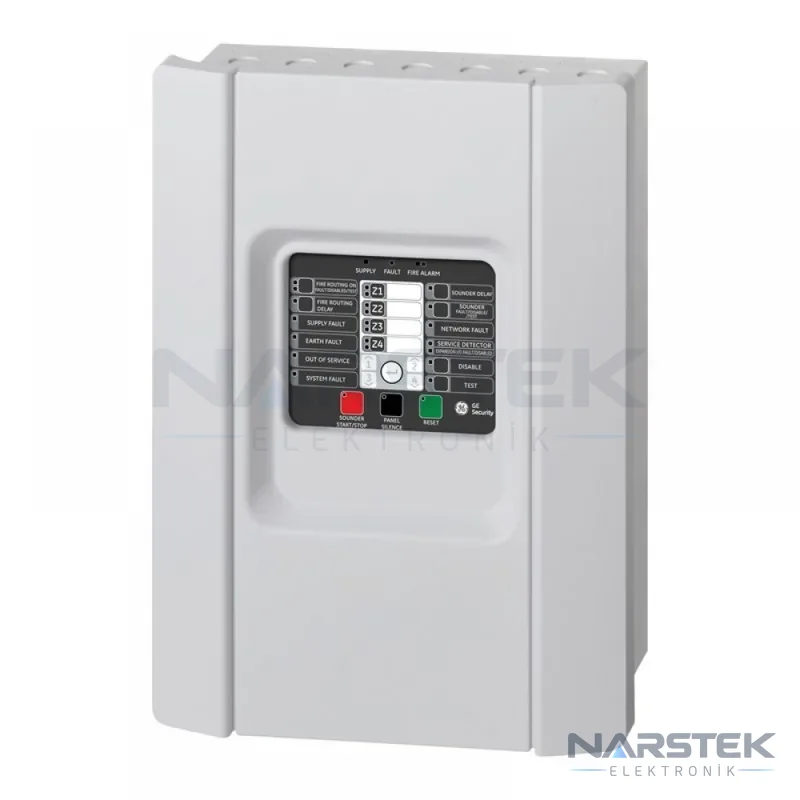
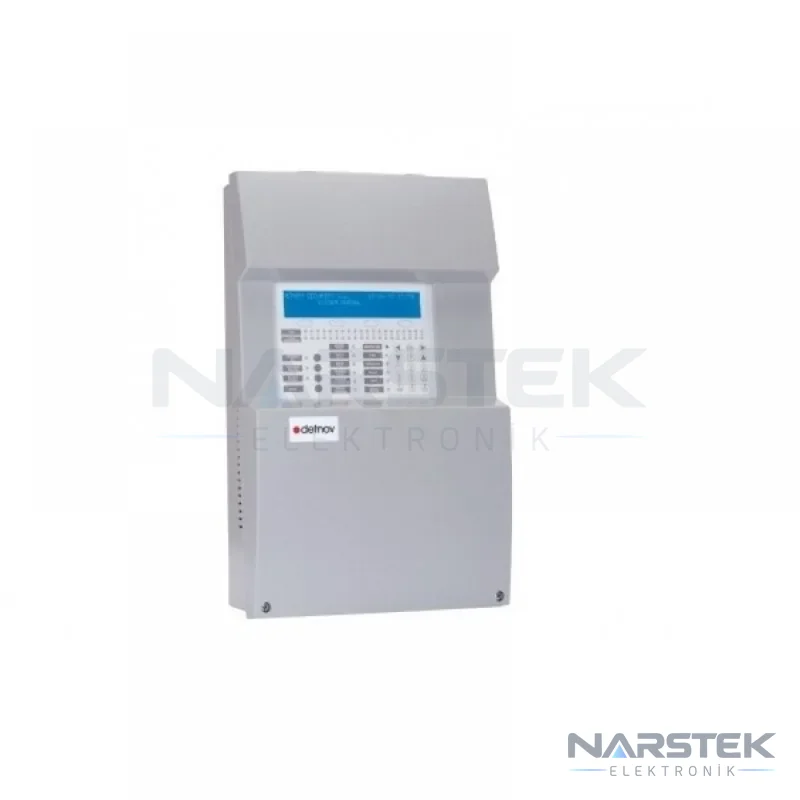
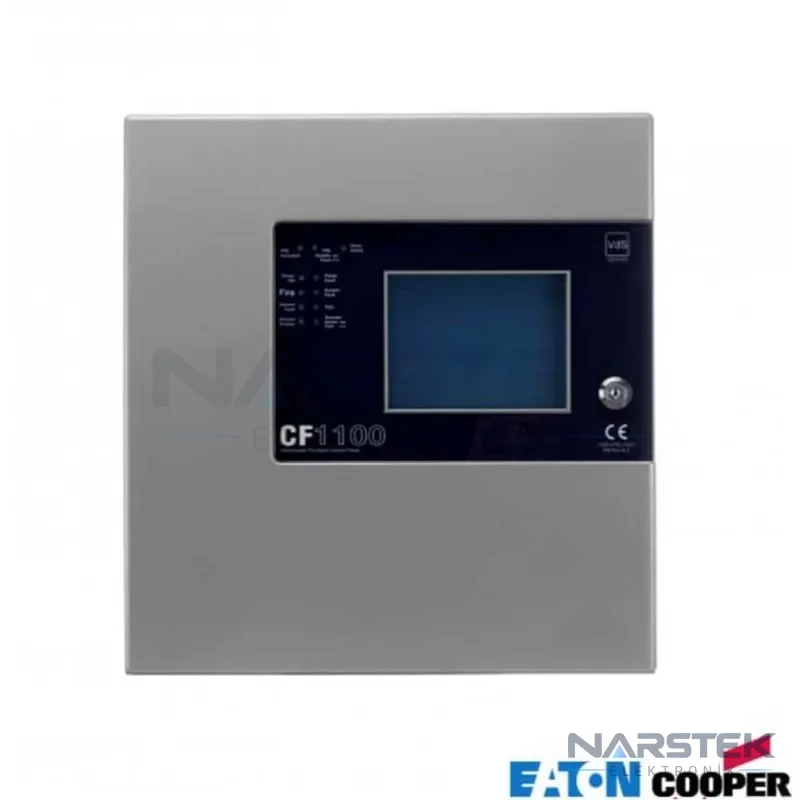
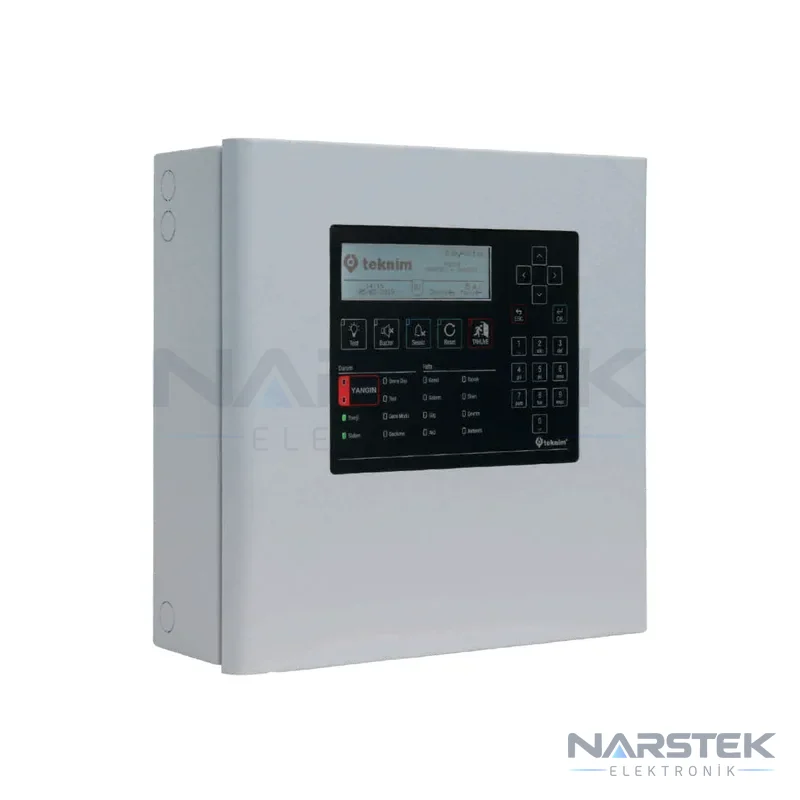
As examples from the catalogue, the conventional Aritech 1X-F4 is a panel with 4 zones. Addressable products include the Detnov CAD-150-1, a 1-loop panel, and the Teknim TFP-1211, a 1-loop intelligent addressable panel. The Eaton CF1000 is another example of an addressable panel. These models should not be selected as direct substitutes for one another without a site survey and a review of the manufacturer's technical documentation.
Arrange a site survey and quote with Narstek
Narstek Elektronik, based in Istanbul, provides site surveys, design, installation, maintenance and fault repair for fire detection and alarm systems. Projects and products are supplied across Türkiye. When clarifying the difference between addressable and conventional systems for your building, the existing system, areas in use and future changes are all assessed together.
When requesting a site survey or quote, provide the building's use, number of floors and sections, approximate area, existing panel make and model, any current design or zone plan, and the changes you expect from the new system. If there is a fault with the existing system, include the warning shown on the panel. You can use the site survey / quote form, call 0212 424 07 24, or message us on WhatsApp at 0540 001 07 24.
Frequently asked questions
What is the main difference between addressable and conventional systems?
An addressable panel identifies each device by its individual address. A conventional panel reports an alarm by the zone containing the device; it cannot identify the specific device within that zone.
Can I connect addressable detectors to a panel from a different manufacturer?
Compatibility between addressable detectors and modules depends on the panel’s communication protocol. Devices from different manufacturers are often incompatible, so check the panel and device manufacturer documentation before selecting equipment.
Will a short circuit on the loop affect the entire system?
Isolators on the loop help protect the rest of the circuit when a short circuit occurs. The effect in a particular installation should be assessed according to the panel and isolator arrangement used.
When should a fire alarm panel battery be replaced?
The replacement interval depends on the manufacturer’s recommendations and the condition of the battery. Panel batteries are generally 12 V VRLA types and may need replacing approximately every 3–5 years; the required capacity is calculated based on standby and alarm durations.
Share the panel brand, number of devices and address, and we’ll get back to you about a site survey and quote.