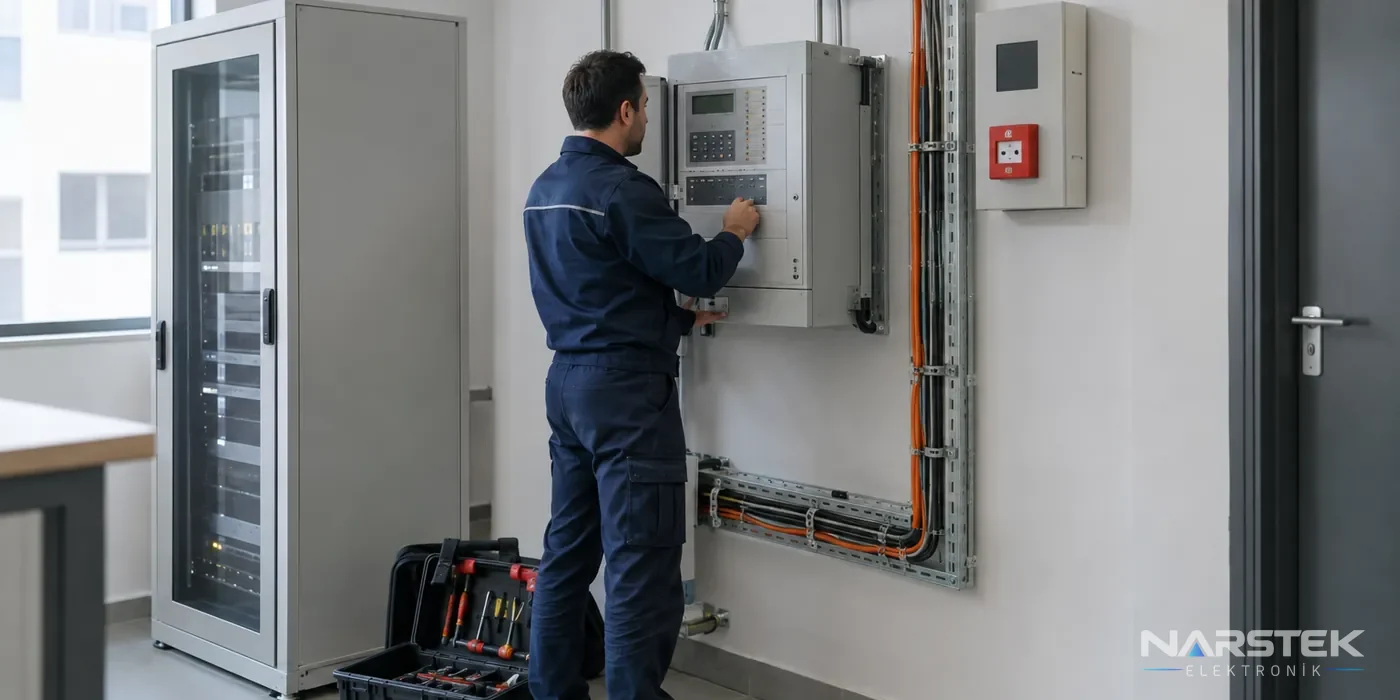
If a fault in an older fire alarm system is isolated and repairable, repair may be sufficient. If the panel is discontinued, spare parts are unavailable, faults keep recurring or the system no longer meets the building’s needs, consider replacing the fire alarm system.
The decision is not based on the age of the panel alone. The existing cabling, compatibility of the detectors with the panel, system capacity and the building’s current use are assessed together. Following the site survey, replacing the panel alone may be sufficient in some buildings, while in others the detection devices may also need to be replaced.
What determines whether repair or replacement is the right choice?
The panel’s fault records, availability of spare parts and tests carried out during maintenance are the first things to assess. If faults are confined to a particular device or cable run, their cause may be identified and repaired. However, if different faults keep recurring on the same panel and suitable replacement parts cannot be obtained, operating and maintaining the system becomes more difficult.
- Discontinued panel and spare parts: If a faulty circuit board, display or other part is unavailable, it may take longer to resolve the fault. Verify maintenance and servicing options for the panel using the manufacturer’s information.
- Frequent faults: For recurring open-circuit, earth-fault, device-loss or battery warnings, the cause of the fault should be identified first. If the same problems return after being resolved, relying only on a reset or component replacement may not be appropriate.
- Insufficient capacity: If an additional floor, section or device is planned, check whether the panel has sufficient zone or loop capacity. Expansion options should also be considered if the system is approaching its capacity limit.
- Regulatory and project compliance: The building’s purpose, existing fire detection project and applicable requirements are assessed together. Compliance is not determined solely by whether a new panel has been installed.
In an Addressable system, each device appears on the panel with its own address; in a Conventional system, devices are monitored by zone. This difference affects how faults are located and how the existing infrastructure is assessed. If changing the system type is being considered, the compatibility of the existing lines and devices with the new design must also be checked. Learn more about the differences between Addressable and Conventional systems.
Can the cabling be retained when replacing the panel?
In most projects, it is not possible to confirm whether the cables can be retained without inspecting the site. Their routes, joints, insulation, connection method and the operating configuration of the existing panel are checked. If the cabling is in suitable condition, it may be possible to use the existing lines when replacing the panel; this is not an approach that can automatically be applied in every building.
In Addressable systems, a loop is a ring circuit fed from both ends. Isolators on the loop help keep the remaining section operational in the event of a short circuit. If the new panel’s loop configuration and device protocol are not compatible with the existing system, the fact that the cable can physically be reused does not mean the devices will work with it.
The use of fire-resistant, halogen-free cable on fire alarm lines is part of the project and system design. FE180 or PH120 class cable may be considered during the technical assessment. The type and condition of the existing cable should be compared with the project requirements following an inspection along its route. For more information about fire alarm cable selection, see the relevant article.
Will the existing detectors and modules work with the new panel?
Addressable detectors and modules depend on the protocol used by the panel. Compatibility with a panel from a different manufacturer is often not guaranteed; nor should it be assumed that every device from the same manufacturer will work with every panel or protocol. Do not decide to connect existing devices to a new panel until the manufacturer’s documentation and device model information have been checked.
Conventional systems also require assessment of the devices’ zone circuits, the panel’s electrical requirements and the load from the sounders. Even if some older detectors appear compatible, the system must be tested during commissioning to confirm that alarm and fault conditions are detected correctly. If any devices need replacing because of their age or maintenance condition, this should be included in the plan independently of the panel replacement.
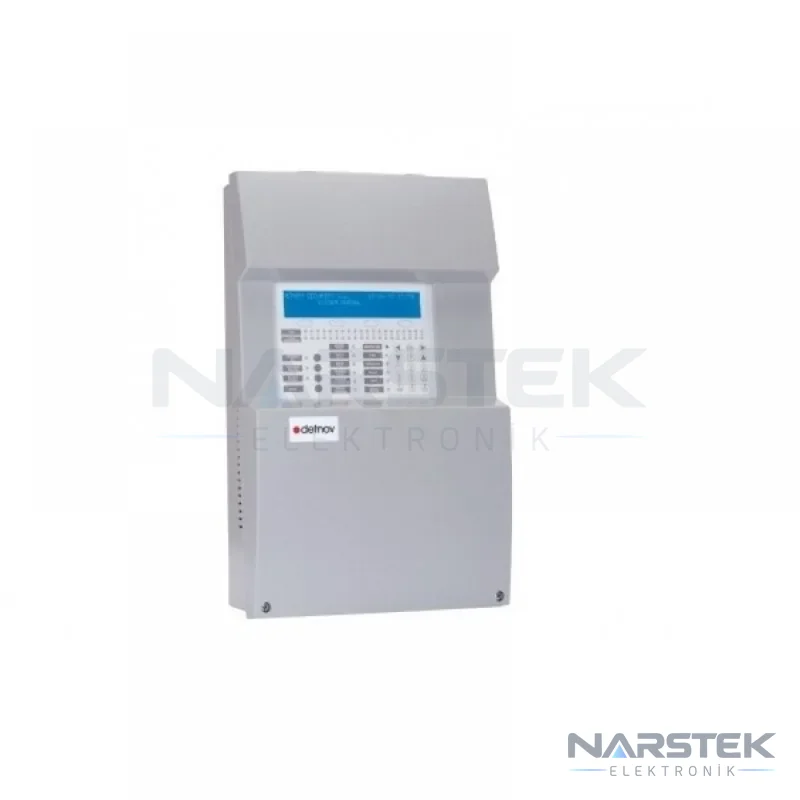
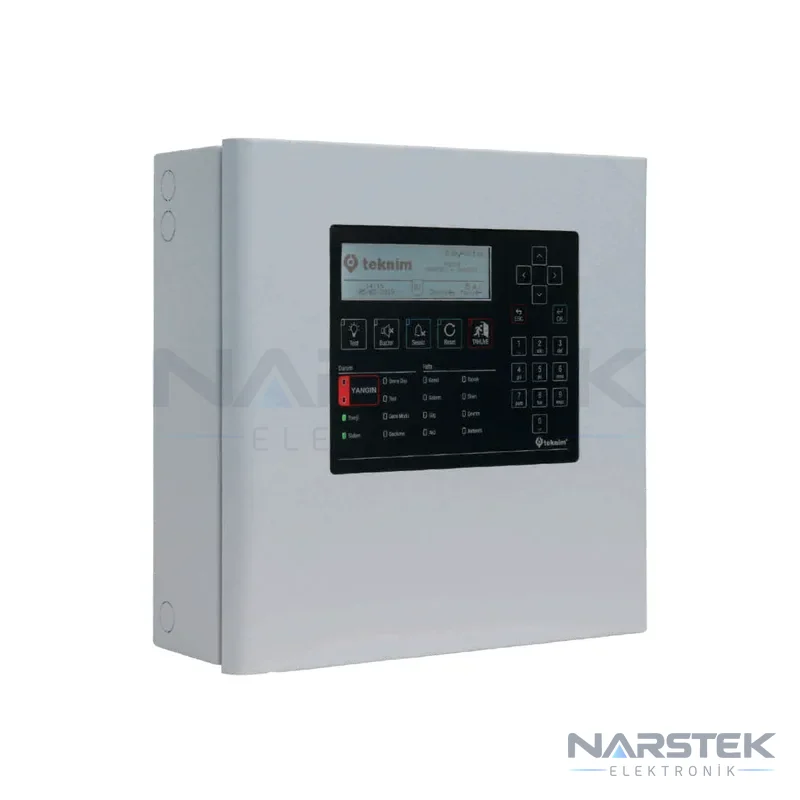
When selecting a product, do not use the panel’s make and model as the sole criteria. The system type, protocol, capacity, device list and existing building connections must all be assessed together. For example, the catalogue lists Detnov CAD-150-1 as a 1-loop addressable panel, while Teknim TFP-1211 is listed as a single-loop addressable panel. This information alone does not mean they are compatible with the existing detectors.
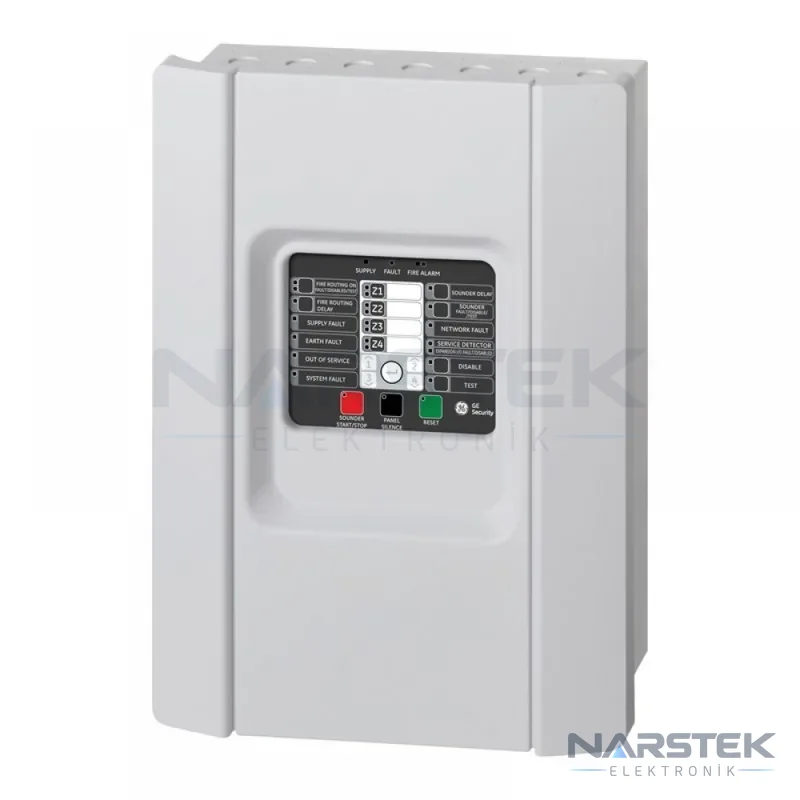
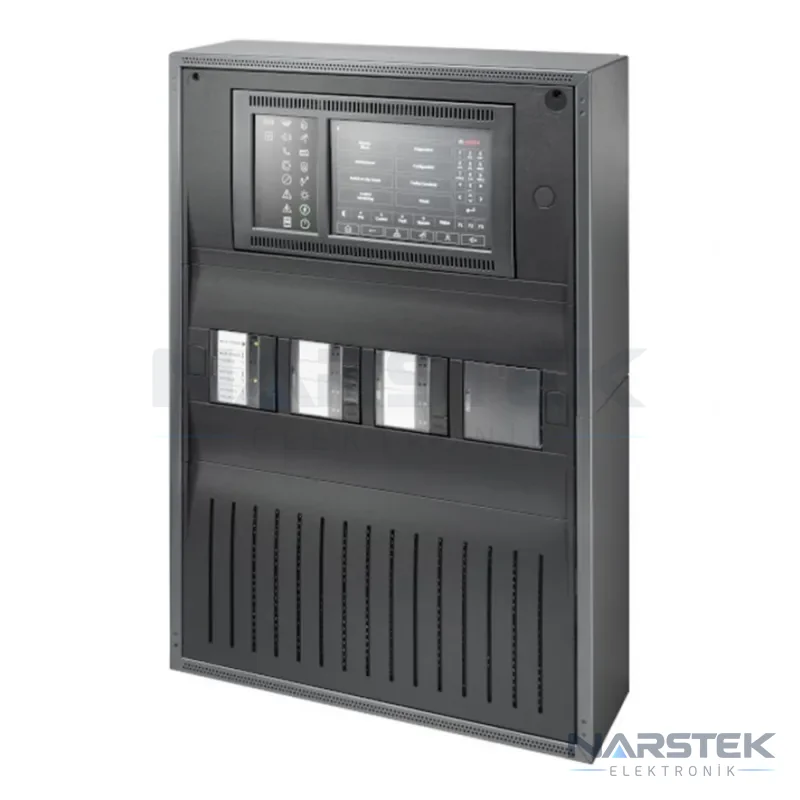
Aritech 1X-F4 is an example of a conventional panel with four zones. Bosch AVENAR 2000 is described in the product list as a modular panel for small and medium-sized projects. The right model should be selected after reviewing the building’s design and existing device infrastructure. See the fire panels category for other options.
How Should a Phased Transition Be Planned?
If it is not possible to take the entire building out of service at once, the work can be divided into stages. The areas that will be affected and when should be identified in advance, and the transition sequence coordinated with the building management and technical teams. At each stage, the status of the existing system, any areas temporarily taken out of service and commissioning checks should be recorded.
- An inventory is made of the existing panel, devices and circuits; fault and maintenance records are reviewed.
- The new panel’s capacity, protocol and devices to be used are determined. A site survey is used to decide whether the existing cables can be retained.
- The stages of the transition, affected areas and work schedule are shared with the building managers.
- At the end of each stage, checks are made to confirm that devices are correctly displayed on the panel and that alarm and fault notifications are working. The final commissioning records are handed over to the building representative.
The panel’s power supply and batteries should also be checked as part of the replacement plan. Fire alarm control panel batteries are generally 12 V VRLA lead-acid batteries and are replaced approximately every 3-5 years, in line with the manufacturer’s recommendations. The required battery capacity is calculated based on the standby and alarm periods; TS EN 54-4 is taken into account when assessing the power supply.
What Is Checked During a Site Survey?
A site survey is about more than simply photographing the panel’s label. It should establish how the existing system was installed and how it is working today. When carrying out an assessment, the Narstek team reviews the building’s use, the panel and device inventory, existing project and maintenance records, cable routes and any faults observed.
- Panel make and model, whether the system is addressable or conventional, its capacity and fault history
- Types of detectors, manual call points, modules, sounders and any visual warning devices, and their compatibility with the panel
- Number of loops or zones, condition of connections, cable type and routes
- Battery model and age, and capacity calculations based on standby and alarm requirements
- Changes to the building’s use, areas added, and applicable project or regulatory requirements
The standards applicable to the devices in question are also checked during design and product verification. Key verified references include EN 54-7 for smoke detectors, EN 54-5 for heat detectors, EN 54-11 for manual call points, EN 54-3 for audible warning devices and EN 54-23 for visual warning devices. Aspirating smoke detectors are assessed under EN 54-20, beam detectors under EN 54-12, wireless components under EN 54-25, and voice alarm control and indicating equipment under EN 54-16.
For information on panel faults and maintenance checks as part of a replacement decision, see our articles on panel fault warnings and panel and detector maintenance.
Request a Site Survey and Quote from Narstek
Based in Istanbul, Narstek Elektronik provides site surveys, design, installation, maintenance and fault repair services for fire detection and alarm systems. You can also contact us for project work and product supply across Türkiye. When requesting a site survey, please share the building type and address, the make and model of the existing panel, whether the system is addressable or conventional, any known faults and the existing design, if available.
Photos of the panel and devices, maintenance records, areas planned for addition and your preferred work schedule will also help with the initial assessment. You can submit the details via the survey / quote request form, call 0212 424 07 24 or message us on WhatsApp at 0540 001 07 24.
Frequently asked questions
Can the existing cables be used when replacing a fire alarm panel?
The cable routes, connections, cable type and existing system configuration are checked during the site survey. The fact that the cables can be retained does not mean the existing detectors will be compatible with the new panel; both must be verified separately.
Will older Addressable detectors work with a panel from a different manufacturer?
Compatibility of Addressable detectors and modules depends on the panel protocol. Do not assume that devices from different manufacturers are compatible; check the manufacturers’ documentation and device models.
What information is needed first when deciding whether to replace a fire alarm system?
The panel make and model, whether the system is Addressable or Conventional, fault records and the existing device list are useful starting points. If available, please also share the project documentation, information about cable routes and any changes to the building’s use.
When should panel batteries be replaced?
Panel batteries are usually 12 V VRLA lead-acid batteries and are replaced approximately every 3-5 years, in accordance with the manufacturer’s recommendations. The required capacity should be calculated based on the standby and alarm periods.
Share the panel brand, number of devices and address, and we’ll get back to you about a site survey and quote.