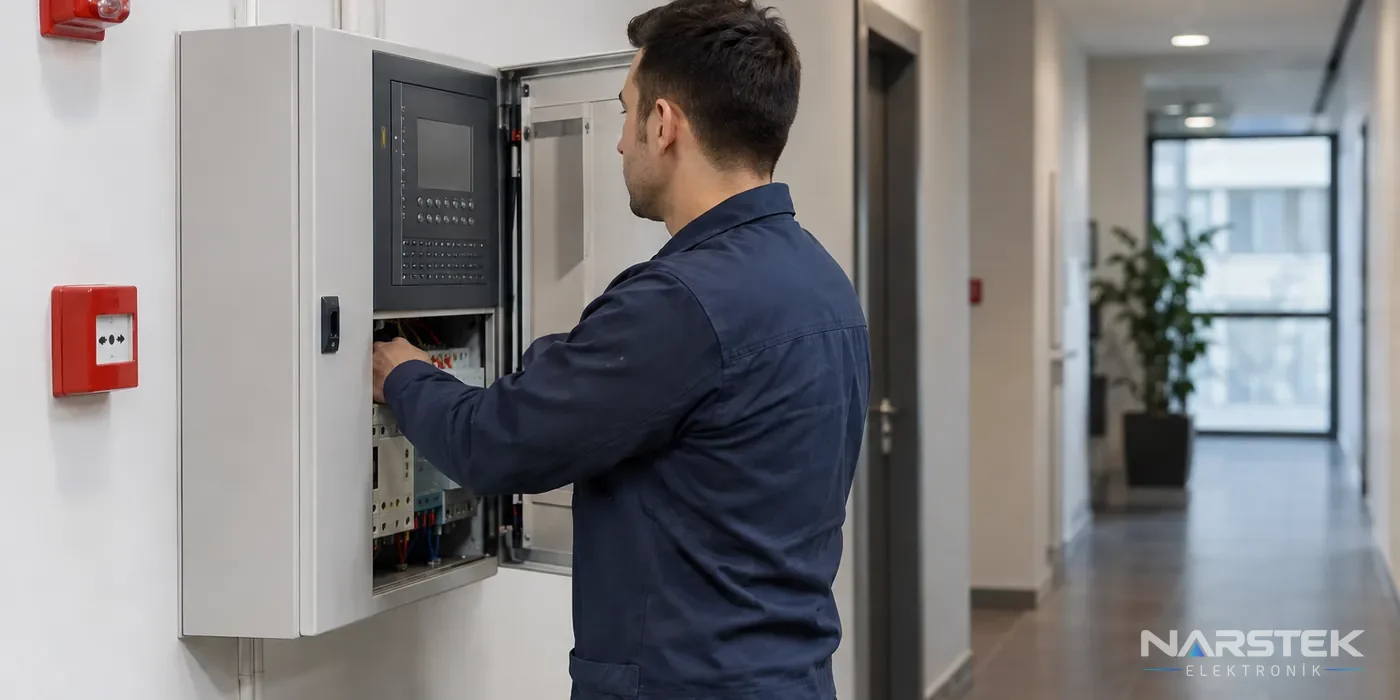
If your Aritech, Honeywell/ESSER or Finder fire panel is reporting a fault, first identify the panel model, system type and connected devices. For Aritech fire panel service, we identify the source of the fault and plan the repair and spare part selection to suit the existing system.
Replacing an old panel or faulty device with another product based on the brand alone may not be appropriate. Protocol and device compatibility must be checked in addressable systems, while zone configuration and panel specifications must be checked in conventional systems.
How Does Fire Panel Service Work?
Before the service visit, note the panel make and model, the fault message shown on the display and when the fault began, if possible. If any recent work has been carried out on detectors, call points, cabling or other electrical installations, this information can also help with fault diagnosis. Clearing the panel warning may not resolve the cause of the fault.
During the initial inspection, we check the panel indicators, power supply, batteries and field wiring. In addressable systems, we assess the status information received by the panel from the devices; in conventional systems, we assess the status of the affected zone. No parts should be replaced until it is clear whether the fault originates from the panel, a field device, the cabling or the power supply.
Even if the fault appears to have been temporarily resolved, the relevant devices and alarm outputs should be tested as part of the system. Recording the work carried out, parts replaced and any outstanding issues during maintenance makes it easier to compare findings at the next service visit. The system can be inspected and a repair plan prepared according to its condition through Narstek’s Security Systems Service and Maintenance service.
Differences Between Addressable and Conventional Systems
In an addressable system, each detector or module appears on the panel under its own address. This allows the panel to show which device has reported an alarm or fault. The loop is a circuit line with a ring configuration, powered from both ends; isolators on the line help protect the remaining section in the event of a short circuit.
In a conventional system, devices are not individually addressed; they are monitored by zone. The panel receives an alarm or fault signal from a zone, and a site inspection may be needed to identify the specific device. As these two systems work differently, similar-looking connection terminals alone do not guarantee compatibility when replacing a panel or devices.
Compatibility between addressable detectors and modules depends on the protocol used by the panel. Products from different brands are often not directly compatible; the model and protocol must also be checked for different series from the same brand. For a more detailed comparison of system types, see our article on the difference between addressable and conventional fire alarm systems.
What Information Is Needed to Select Spare Parts?
When looking for a compatible spare part, provide the panel make and full model, the existing device’s product code, and whether the system is addressable or conventional. For addressable systems, the panel protocol and loop information are also important. For conventional systems, the number of zones and the type of device required must be identified.
- Make and model on the front of the panel
- Product code of the faulty detector, call point, module or panel component
- Loop and device address, for addressable systems
- Affected zone information, for conventional systems
- Photo of the fault message shown on the panel and, if available, the existing project or device list
Panel batteries are generally 12 V lead-acid (VRLA) batteries and are replaced approximately every 3–5 years, in line with the manufacturer’s recommendations. The correct capacity should be calculated according to the panel’s standby and alarm duration requirements; selecting a battery based only on the dimensions of the old one may not be sufficient. TS EN 54-4 should be taken into account when assessing the power supply. For more information on battery checks, see our article When Should Fire Panel Batteries Be Replaced?.
The use of fire-resistant, halogen-free cable on alarm circuits is also part of the system. For example, FE180 or PH120 class cables may be used; the selection should be made in accordance with the project and manufacturer documentation. Any change to the cable type or routing should be assessed together with the panel and field devices.
Example products from the catalogue
The models below are examples from the Narstek product catalogue. A product being listed in the catalogue does not mean it will be directly compatible with an existing system. Before ordering or replacing a product, compatibility should be confirmed using the panel model, protocol and product code.
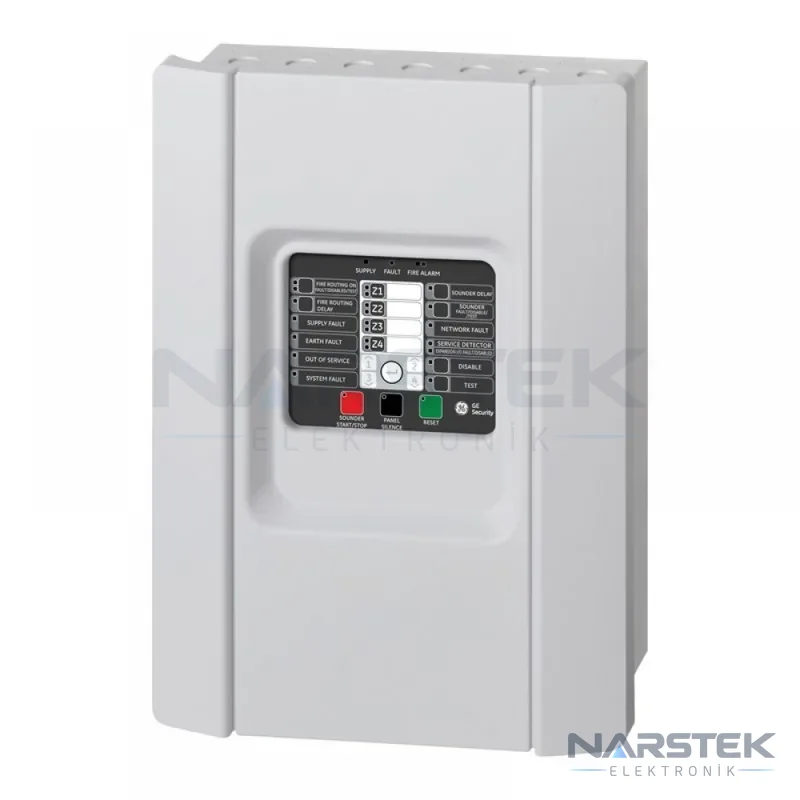
- Aritech 1X-F4 is a conventional fire alarm control panel with 4 zones.
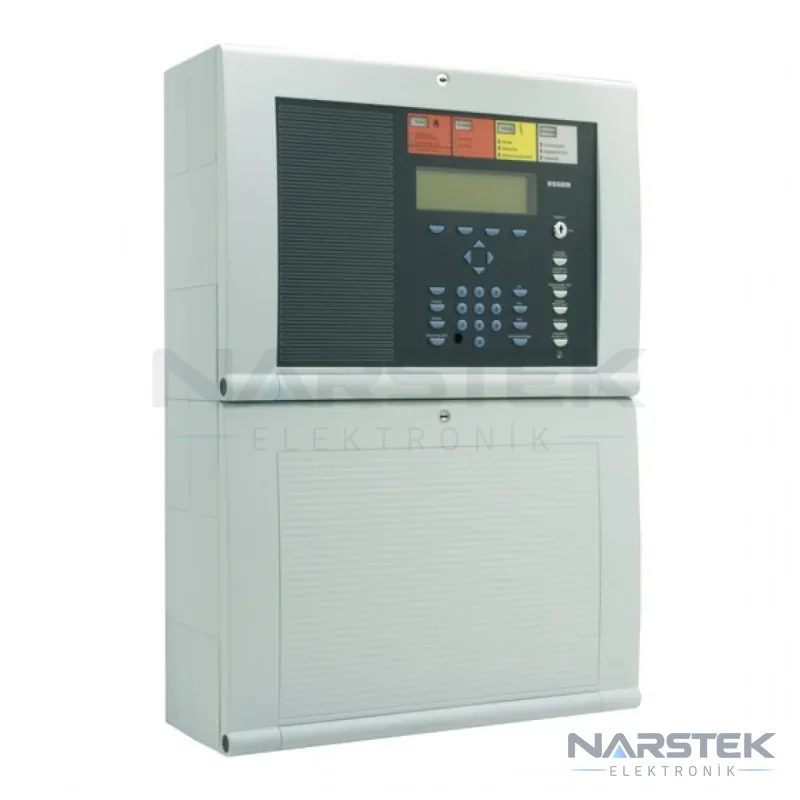
- Honeywell Esser IQ8Control is an addressable fire alarm control panel.
- Finder FF CF104 / FF CF108 are conventional fire alarm control panels available with 4 or 8 zones.
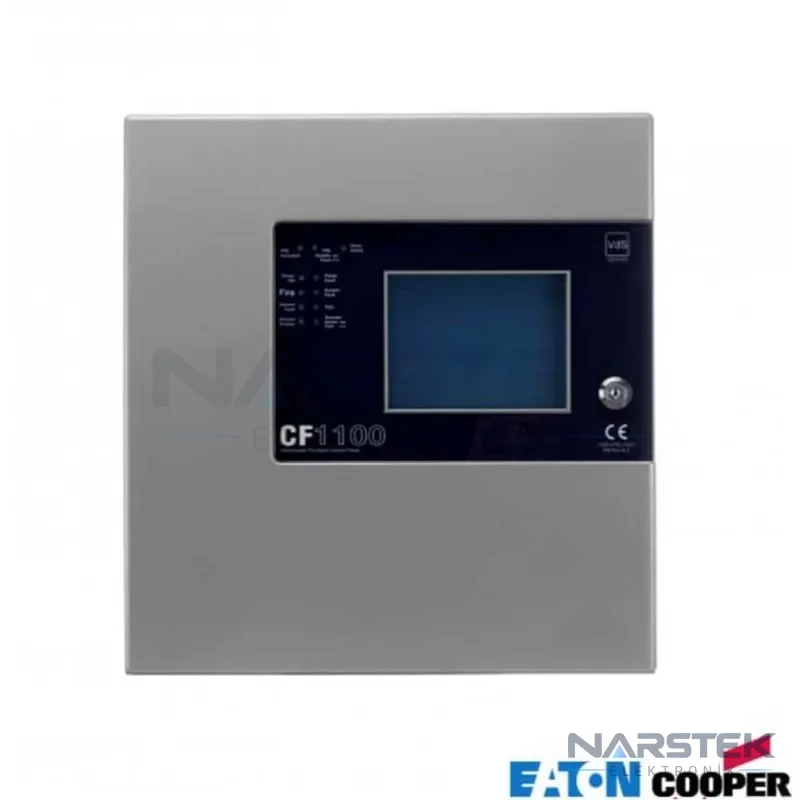
- Eaton CF1000 is an addressable fire alarm control panel.
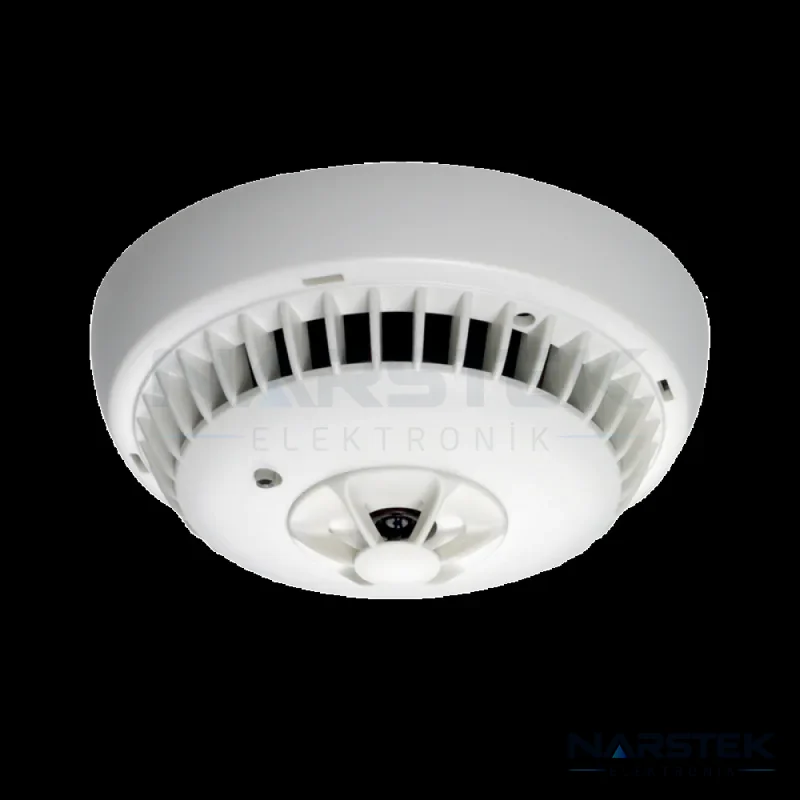
- Detectomat PL 3300 OTI is a multisensor detector combining optical and heat detection.
When assessing detectors, call points, sounders and other equipment, check that the relevant standard applies to the device’s function. For example, smoke detectors fall under EN 54-7, heat detectors under EN 54-5, manual call points under EN 54-11, audible warning devices under EN 54-3 and visual warning devices under EN 54-23. Decisions to add or replace system components should be made with reference to the existing design and manufacturer documentation. You can view the product ranges on the fire panels and detectors pages.
What Checks Are Carried Out During a Maintenance Visit
The scope of maintenance depends on the condition of the panel, the building’s use and the existing system. The panel’s alarm and fault logs, power supply and battery condition, field connections and device operation are checked. Detector or call point tests should be planned with due consideration for the building’s use and alarm scenarios.
If there is a fault on an addressable loop, the condition of the line and relevant devices should be assessed together rather than simply replacing the first device shown on the panel. If a zone fault is indicated in a conventional system, the devices in that area and the cable run should be checked. After testing, confirm that the system has returned to normal operation and that the faults investigated have cleared.
Maintenance records should clearly state the panel model, the zone or loop checked, the fault identified and the work carried out. If equipment has been taken out of service or its replacement has been recommended, the reason should also be recorded. These records help the building manager track maintenance decisions and subsequent service requests more effectively.
Request a Maintenance Quote from Narstek
Narstek Elektronik Bina Teknoloji San. ve Tic. Ltd. Şti., based in Istanbul, provides site surveys, design, installation, maintenance and fault repair services for fire detection and alarm systems. You can also submit an enquiry for projects and product supply across Türkiye. When arranging service for your Aritech, Esser or Finder system, please provide the panel make and model, the fault message, the building address and, if possible, photographs of the panel label and faulty device.
To request a quote, use the survey and quote form; for technical service, you can submit a service request. You can contact Narstek on 0212 424 07 24 or via WhatsApp on 0540 001 07 24. Address: Tevfikbey Mah. Halkalı Cad. No:112 Nazlı İş Merkezi Kat:3 Ofis No:64 Küçükçekmece / İstanbul.
Frequently asked questions
What information should I provide if my Aritech panel has a fault?
Please share the panel’s full model, the fault message shown on the display, and the zone or loop where the fault is occurring. Photos of the panel and faulty device labels can also help us identify the right part and plan the service.
Can I fit a detector from a different brand to an addressable fire panel?
Compatibility between addressable detectors and modules depends on the protocol used by the panel. Products from different brands are often not directly compatible, so check the panel model and product code before replacing a device.
When should fire panel batteries be replaced?
Panel batteries are generally 12 V VRLA lead-acid batteries and are replaced approximately every 3–5 years, in line with the manufacturer’s recommendations. The correct capacity should be determined according to the system’s standby and alarm duration requirements.
Is fault diagnosis carried out in the same way for conventional and addressable panels?
No. Addressable panels identify devices individually by their address, while conventional panels monitor devices by zone. The system type must therefore be taken into account when locating a faulty device and selecting a replacement part.
Share the panel brand, number of devices and address, and we’ll get back to you about a site survey and quote.