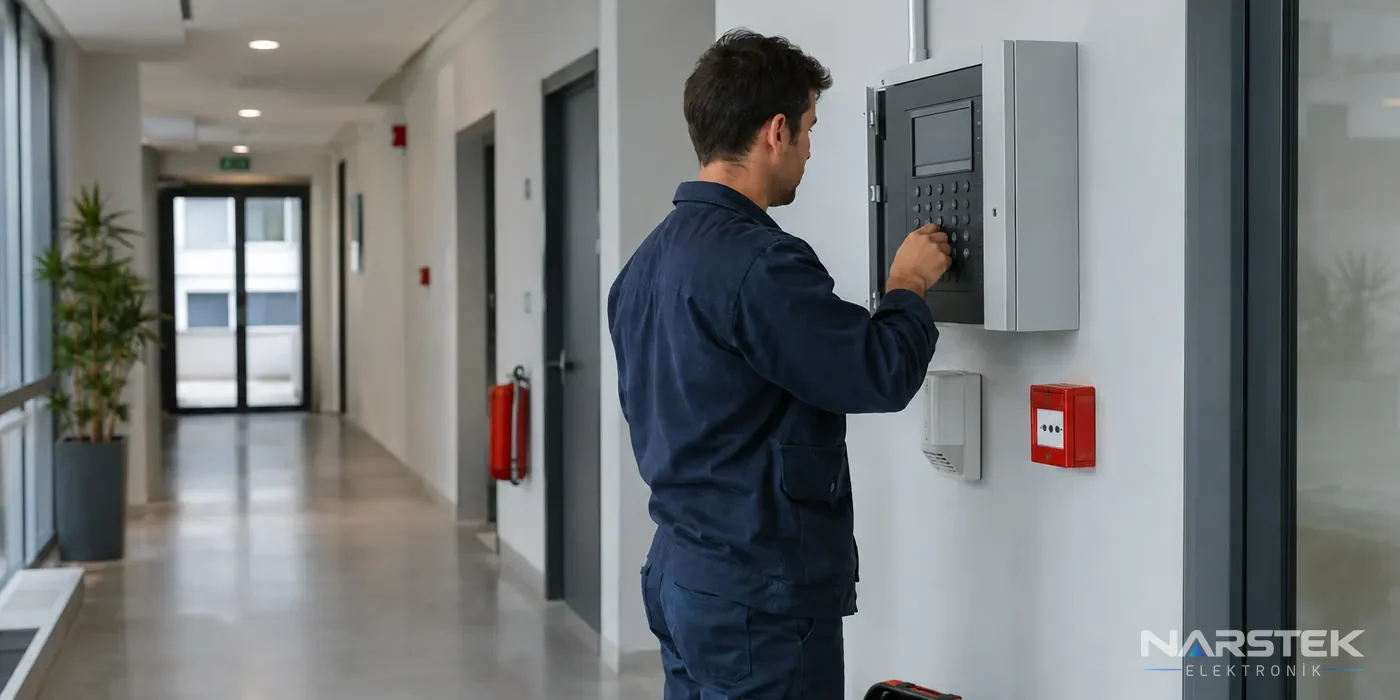
When selecting a C-TEC fire panel, first consider whether the building's system will be addressable or conventional, and which protocol the detectors will use. The XFP, ZFP and CFP series are not all the same type of system; selection should be based on device compatibility and the required zone or loop capacity.
If you are replacing an existing panel or adding devices to the system, do not decide based on the brand alone. The panel model, protocol, device list, site cabling and battery condition should all be assessed together. At Narstek, we plan our site survey, design, installation, fault repair and maintenance services based on this information.
Key Differences Between the XFP, ZFP and CFP Series
The XFP series is associated with addressable fire alarm panels. In an addressable system, each device, such as a detector or module, is monitored by the panel under a separate address. This makes it possible to identify which device has triggered an alarm. The XFP product family includes Apollo and Hochiki protocol options in its catalogue. These options are not interchangeable; check the exact panel model and the protocol used by the connected devices against the catalogue.
When considering the ZFP series, check the specifications in the catalogue for the exact panel model, the device family it supports and its compatibility with the existing system. It is not advisable to make a selection based on capacity or features that have not been verified for the specific model. A photo of the panel label and a list of existing devices can help identify the right product family during the quotation or site survey stage.
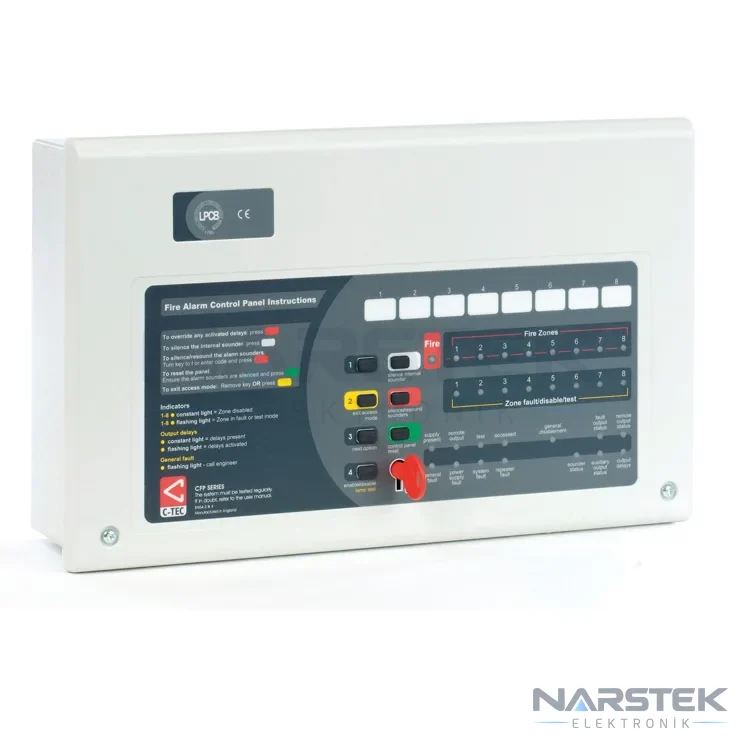
The CFP series includes conventional and two-wire AlarmSense options. In a conventional system, devices are monitored by zone rather than by individual address. For example, CFP702-4 is a conventional panel with two zones and four sounder circuits. CFP702-2 and CFP704-2 are examples of two-wire panels designed for use with AlarmSense devices. The zone count or circuit configuration of one model should not be assumed to apply to other CFP models.
For a more detailed comparison of how addressable and conventional systems work, see our comparison of addressable and conventional fire alarm systems. Our guide to points to consider when selecting a fire panel can also help you assess capacity and site requirements.
How to Check Protocol and Device Compatibility
Addressable detectors and modules must be compatible with the panel’s communication protocol. Even if devices from different brands appear to be connectable to the same physical line, this does not mean the panel will recognise them. Verify compatibility using the panel’s full model code, the device model code and the manufacturer’s catalogue information. On older systems, the label on the device or maintenance records can speed up this check.
For XFP, evaluate the Apollo and Hochiki protocol options separately against the catalogue information. For CAST devices, also check that the panel is compatible with the CAST product family and verify the device combinations specified in the catalogue. Do not assume that a device operating on one protocol can be connected to a panel using another. Testing a sample device and listing all devices in the system before replacing the existing panel helps reduce the risk of incompatibility.
On addressable panels, the loop is the ring circuit to which devices are connected and monitored by the panel. The line is fed from both ends; isolators help keep the remaining section of the line operational in the event of a short circuit. Cable routing, isolator locations and the number of devices must be determined in accordance with the project and manufacturer’s documentation. Fire alarm circuits must use fire-resistant, halogen-free cable; ratings such as FE180 or PH120 should be checked against the project requirements.
Field equipment connected to the panel is also part of the system. You can review sounders and beacons for alarm signalling, detectors and manual call point options for detection, together with their compatibility information. Our fire detection and alarm systems service covers site surveys, design, installation and maintenance.
Where are two-wire AlarmSense systems used
In two-wire systems, compatible detection and alarm devices can be connected via the same pair of cables. Where the project and site conditions allow, this arrangement can simplify the cabling layout. However, the fact that a system is two-wire does not mean that any detector or sounder can be connected to it. The devices used must be AlarmSense-compatible and installed in accordance with the panel manufacturer’s wiring instructions.
CFP702-2 is a two-zone AlarmSense panel designed to work with compatible detectors, manual call points, sounders and visual alarm devices. CFP704-2 is an example of a four-zone AlarmSense panel. As the two models have different zone capacities, consider both the current zone plan and any devices you may wish to add in future.
Some examples of products listed in the catalogue for two-wire systems are:
- CFP702-2, a two-zone AlarmSense panel.
- CFP704-2, a four-zone AlarmSense panel.
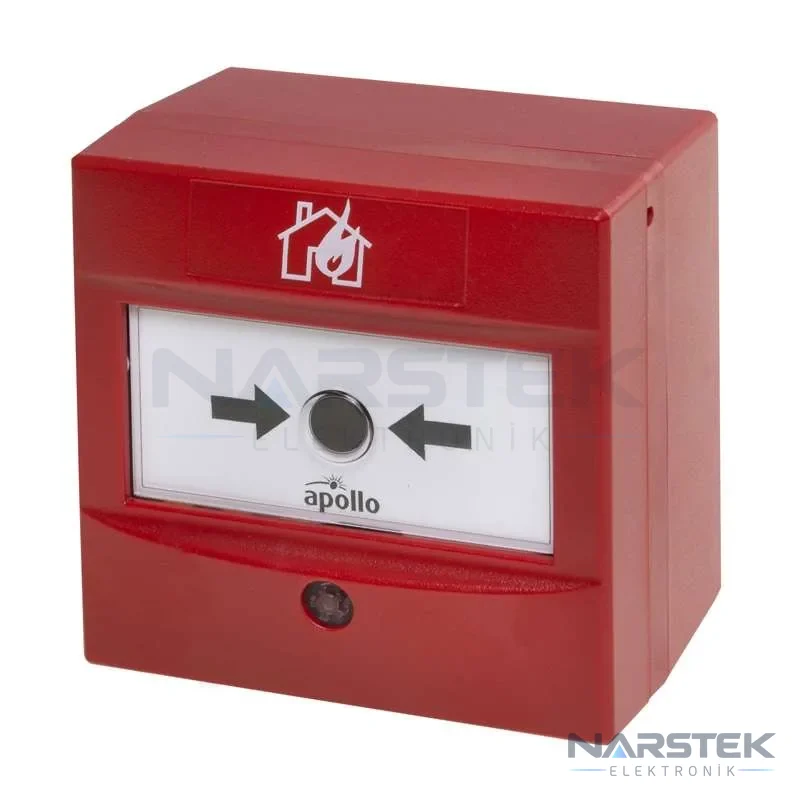
- 55400-894APO, a manual call point for AlarmSense systems.
- 45681-510APO, an AlarmSense base sounder used with a compatible detector.
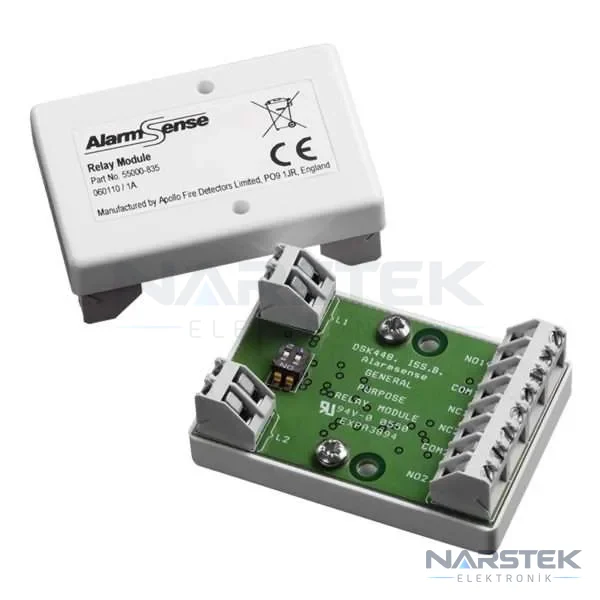
- 55000-835APO, a relay module for connecting and switching equipment in AlarmSense systems.
With a conventional panel, the zone plan and sounder circuits are monitored separately. CFP702-4 is a model with two detector zones and four sounder circuits. Do not assume that this panel has the same device compatibility as the AlarmSense range; confirm the panel and device combination before ordering. Examples of conventional panels include CFP702-4.
During maintenance, check the panel, circuits and batteries together
Checking only the warnings on the panel display is not sufficient during maintenance. Zone or loop circuits, device alarm and fault indications, sounders and visual alarm devices, the panel power supply and batteries should all be assessed together. On addressable systems, check that devices appear at the correct addresses on the panel; on conventional systems, check that alarms are reported from the correct zone. Record the tests carried out and any faults found.
Panel batteries are generally 12 V VRLA lead-acid batteries. They may need to be replaced approximately every 3-5 years, in accordance with the manufacturer’s recommendations; this interval alone is not enough to determine when a battery needs replacing without measuring its condition. The required battery capacity is calculated based on standby and alarm periods. TS EN 54-4 should be considered when assessing the power supply. For details of battery replacement and capacity calculations, see our article on fire panel battery replacement and capacity calculation.
One issue encountered during maintenance visits is that a faulty or incompatible device is replaced, but the fault record on the panel is not followed up. When sourcing a spare part, provide the panel’s full model code, the device model and, if possible, photos of the connections. Even products in the same range may use different protocols or device types. Check compatibility with the manufacturer’s documentation when replacing a panel board or peripheral device.
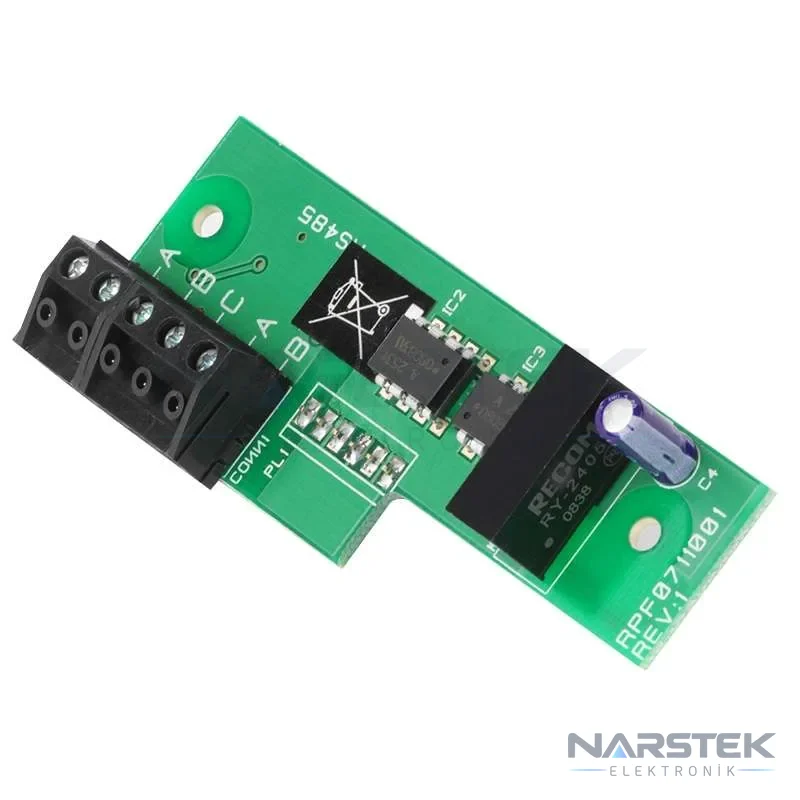
Spare part requirements should be assessed alongside the fault information recorded during maintenance. For example, if a communication card is required for a C-TEC system, you can review the catalogue information for AFP711, which is used for network or repeater connections on XFP panels. Confirm that this card is suitable for the panel model and intended connection. You can view all C-TEC products on the C-TEC products page.
Request a site survey and maintenance quote from Narstek
Narstek Elektronik provides site surveys, design, installation, maintenance and fault repair services for fire detection and alarm systems, based in Istanbul. We also consider project and product supply enquiries for projects outside Istanbul. For panel upgrades, new device additions or fault-finding requests, we first clarify the existing system model and the requirements on site.
When requesting a quote, please provide, if possible, the panel brand and full model code, whether it is addressable or conventional, the number of existing zones or loops, the brands and models of connected devices, the fault symptoms, and the district or city where the work is to be carried out. Photos of the panel label, fault display and any project or maintenance records can also help with the initial assessment. You can complete the site survey / quote form or submit a technical service request. You can reach us on 0212 424 07 24 or via WhatsApp on 0540 001 07 24.
Frequently asked questions
Can Apollo and Hochiki devices be used together on an XFP panel?
XFP catalogues list Apollo and Hochiki protocol options separately. Do not assume that they can be used together on the same panel; check the exact panel model and device protocol compatibility against the manufacturer's documentation.
What is the difference between CFP702-2 and CFP704-2?
CFP702-2 is a two-zone panel, while CFP704-2 is a four-zone AlarmSense panel. For both models, device selection must comply with AlarmSense compatibility and the panel's wiring instructions.
How often should C-TEC panel batteries be replaced?
Panel batteries are generally 12 V VRLA lead-acid types and may be replaced approximately every 3-5 years, in line with the manufacturer's recommendations. The decision to replace them should be based on testing and an assessment of their condition.
What information should I provide for a spare parts quote?
Please provide the panel's full model code, the model of the suspected faulty part and a description of the fault. Photos of the labels and connections, along with any maintenance records or project information, can help identify the correct part.
Share the panel brand, number of devices and address, and we’ll get back to you about a site survey and quote.