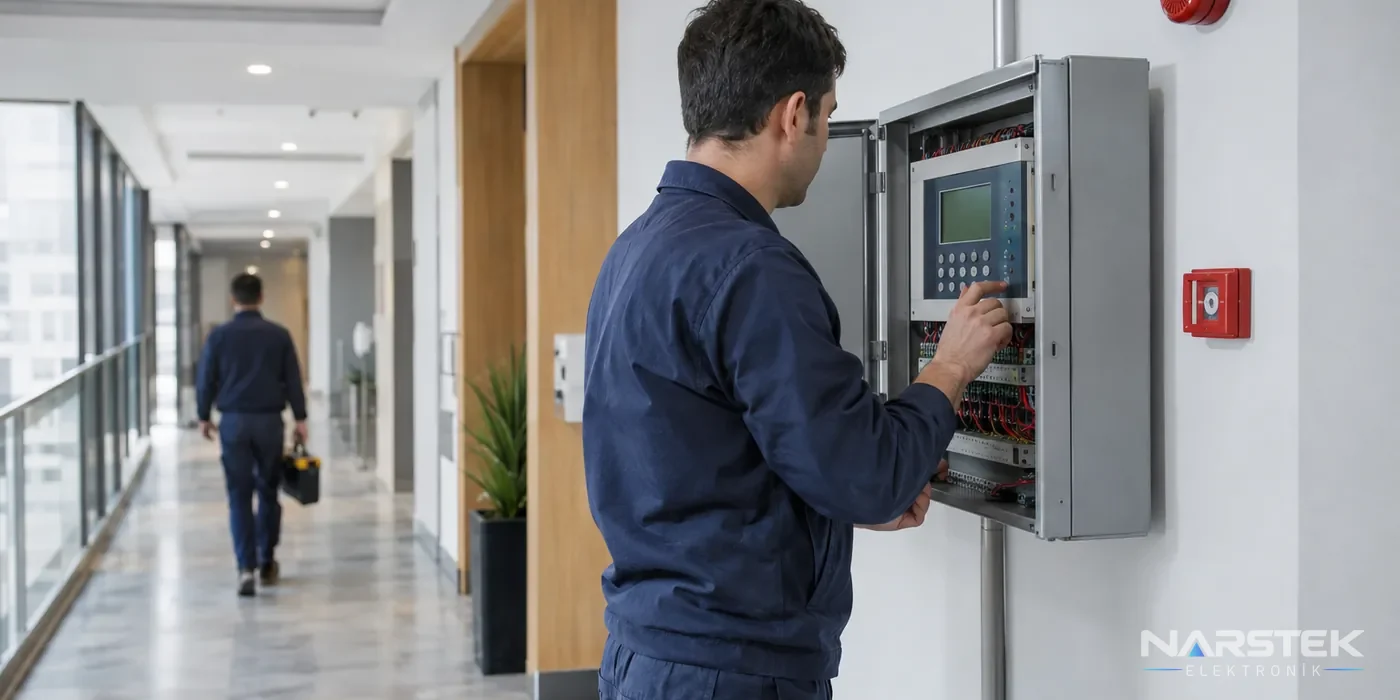
The Detnov CAD-150 series can be selected with 1, 2, 4 or 8 loops, depending on the number of devices in the project and the scope for future expansion. When adding devices to an existing system, checking only the available addresses or capacity is not enough; panel compatibility, loop layout, cabling and the fire strategy must all be reviewed together.
Selecting the correct replacement product is equally important in buildings with a Detnov fire panel. Detectors and modules must be compatible with the panel's communication protocol, changes must be documented and the system must be tested. Narstek provides site surveys, installation, maintenance and fault repair services from İstanbul across Türkiye.
Loop Options in the CAD-150 Panel Family
A loop is a ring circuit to which addressable devices are connected and which is fed from both ends. The options in the CAD-150 family listed in the catalogue allow more circuits to be planned as the number of loops increases. CAD-150-1 has one loop; CAD-150-2 has two, CAD-150-4 has four, and CAD-150-8 has eight loops. Product information states that CAD-150-2, CAD-150-4 and CAD-150-8 support up to 250 addressable devices per loop. The device capacity of CAD-150-1 should be confirmed separately against the catalogue information.
When selecting the number of loops, it is not enough to count only the existing devices. The building layout, distribution of devices, planned future additions and cable routes should also be assessed. In addressable systems, each device is monitored individually by the panel, whereas conventional systems monitor devices by zone. An addressable configuration makes it easier to identify which device has triggered a fault or alarm.
Isolators on the loop help prevent a short circuit from affecting the rest of the line. Follow the manufacturer’s panel and device documentation during installation and addressing. For more information about panel selection, see our article on loop and capacity selection.
How to Select Detnov Detectors and Modules
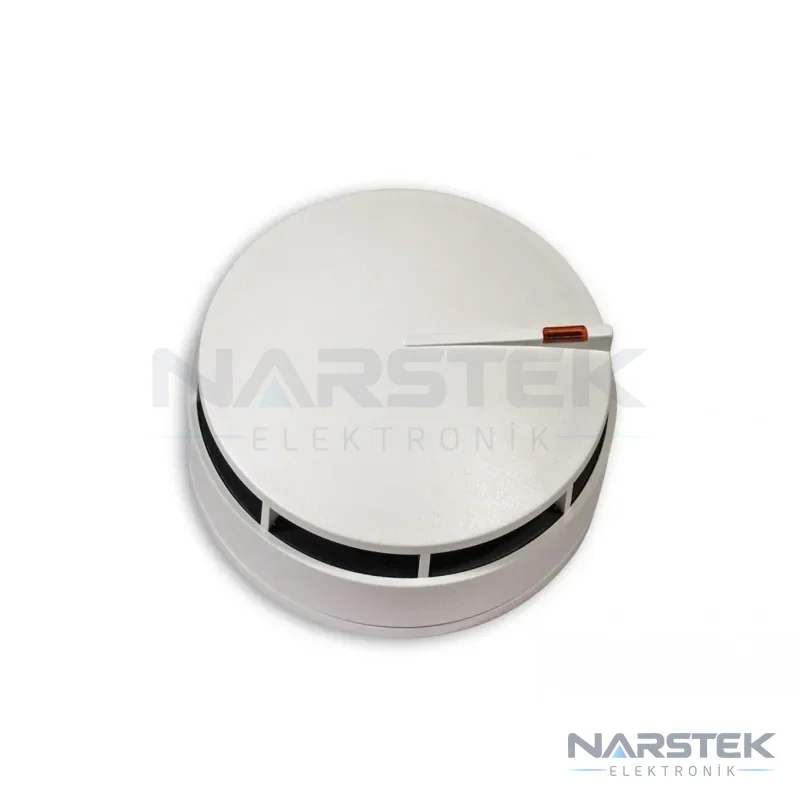
Detector selection depends on the fire indicators expected in the area and the environmental conditions. Optical smoke detectors may be considered where smoke detection is required, and heat detectors where temperature changes need to be monitored. If both smoke and temperature detection are needed at a location, consider a combined detector in accordance with the project requirements and manufacturer’s information.
Examples in the catalogue include DOD-220A, an addressable optical smoke detector specified as compliant with EN 54-7. DTD-210A is an addressable heat detector. DOTD-230A is listed as a combined model that detects both smoke and temperature changes.
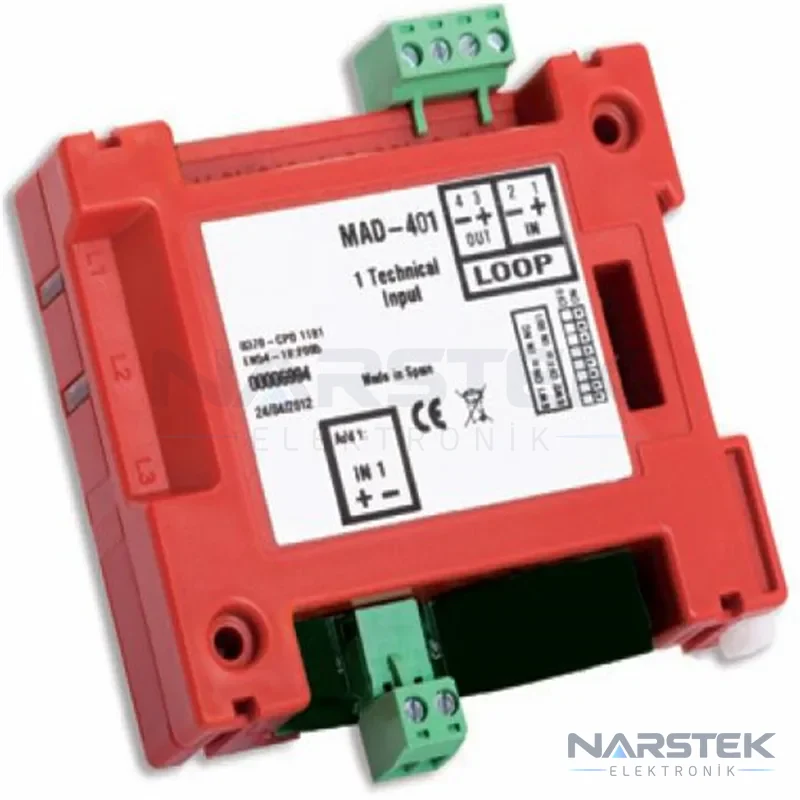
Modules are used to monitor status information from external equipment or to control external devices as part of a fire scenario. For example, the MAD-401 input module is designed to receive signals from third-party equipment and transmit them to the panel. For applications requiring two separate signals to be monitored, the MAD-402 2-channel input module may be considered. The catalogue includes the MAD-411 single-channel relay output module and the MAD-412 dual-channel relay output module for controlling equipment such as sounders, fans or lifts. Selection should be based on the project scenario and the electrical characteristics of the relevant devices.
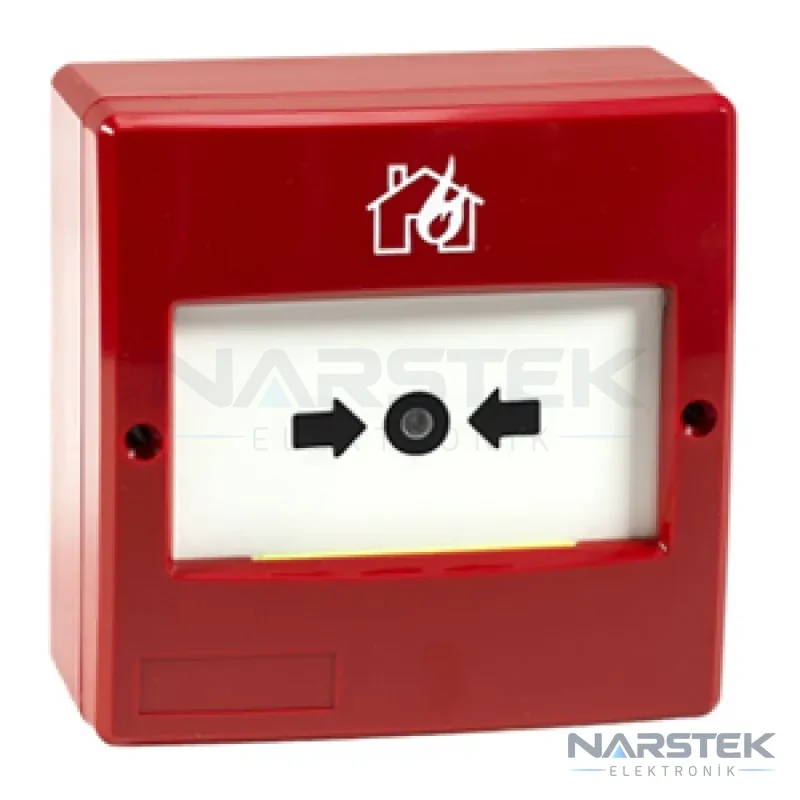
For manual alarm activation, the MAD-450-I addressable manual call point is described in the catalogue as compatible with the CAD-150 series. If multiple Detnov panels need to be linked for central monitoring and management, the TRED-150 network communication card may be considered. You can also view the product ranges on the Detnov products page.
Expanding an Existing Detnov System
Before adding a detector or module, identify the exact panel model, the status of the existing loops and the devices used in the system. In addition to the device count, check against the manufacturer’s documentation that sufficient free addresses and loop capacity are available. Do not assume that an addressable device from another brand is compatible with a Detnov panel just because the connection method appears similar; addressable detectors and modules depend on the panel protocol, and different brands often do not work together.
When expanding a system, assess the existing cable routes, the location of additional points and line protection against short circuits. The use of FE180 or PH120-class, halogen-free, fire-resistant cable on fire alarm circuits should be considered in line with the project requirements. After replacing a device or adding a module, verify its address, panel configuration and the relevant alarm scenario. Test the panel’s alarm and fault conditions and record the work.
When purchasing a replacement, providing the panel model and the existing device’s full part number helps reduce the risk of selecting the wrong product. A photo of the old device, its connection method and any fault information shown on the panel can also assist with the technical assessment. Confirm product compatibility against the catalogue and manufacturer’s documentation before ordering.
What Checks Are Carried Out During Maintenance
Maintenance begins with checking the panel’s normal, alarm and fault conditions, as well as its event log and any disabled points. The loops, field devices and associated alert equipment are then tested in accordance with the system’s operating scenario. Findings such as detector contamination, loose connections, cable faults and sources of false alarms are recorded. Any points disabled during testing must be re-enabled afterwards, and the panel’s normal operating condition must be verified.
Panel backup batteries are typically 12 V VRLA lead-acid batteries. Replacement timing should be determined based on the battery’s condition and the manufacturer’s recommendations; approximately 3–5 years is a common period for assessing whether replacement is needed, but should not be treated as a fixed schedule. Battery capacity is calculated according to the required standby and alarm durations; TS EN 54-4 should be considered for the power supply.
Article 84 of Türkiye’s Regulation on the Protection of Buildings from Fire makes the building owner, manager or a building representative appointed in writing responsible for ensuring that emergency lighting, signage and fire detection and alarm systems undergo periodic inspection, testing and maintenance as required by the relevant standards. The article does not specify a fixed monthly or annual maintenance interval; frequency is determined according to the system and relevant standards. At least two comprehensive maintenance visits per year, alongside regular brief checks by the user, are common industry practice. This should not be taken as a fixed interval mandated by legislation. For further details on maintenance procedures, see our panel and detector maintenance article.
Request a Maintenance and Site Survey Quote from Narstek
Narstek Elektronik provides site surveys, design, installation, maintenance and fault repairs for fire detection and alarm systems. Based in Istanbul, our team supplies products and delivers projects across Türkiye. To expand your existing Detnov system, choose replacement products or plan maintenance, explore our fire detection services or complete the site survey and quote form.
When requesting a quote, please provide the building type and address, the panel’s exact model, the number of loops, the number of devices currently installed and the devices you are considering adding. If available, include any fault message shown on the panel, the existing system design and maintenance records. You can contact Narstek on 0212 424 07 24 or via WhatsApp on 0540 001 07 24.
Frequently asked questions
What loop options are available in the CAD-150 series?
The catalogue lists models CAD-150-1, CAD-150-2, CAD-150-4 and CAD-150-8 with 1, 2, 4 and 8 loops respectively. For CAD-150-2, CAD-150-4 and CAD-150-8, the stated maximum is 250 addressable devices per loop. The capacity of CAD-150-1 should be confirmed in the manufacturer's documentation.
Can a detector from a different brand be added to an existing Detnov panel?
Addressable detectors and modules depend on the panel's communication protocol. Products from different brands are often incompatible, so do not select a device until its product code and the panel model have been checked against the manufacturer's documentation.
How many times a year should a fire alarm system be maintained?
Article 84 of the Regulation does not specify a fixed maintenance frequency; inspection and maintenance should be carried out as required by the relevant standards and the system. At least two comprehensive maintenance visits per year are common industry practice, but this should not be presented as a number mandated by legislation.
When should Detnov panel batteries be replaced?
The condition of the batteries and the manufacturer's recommendations should be followed. For 12 V VRLA batteries, approximately 3–5 years is general guidance used when assessing replacement; battery capacity should be calculated according to the standby and alarm duration requirements.
Share the panel brand, number of devices and address, and we’ll get back to you about a site survey and quote.