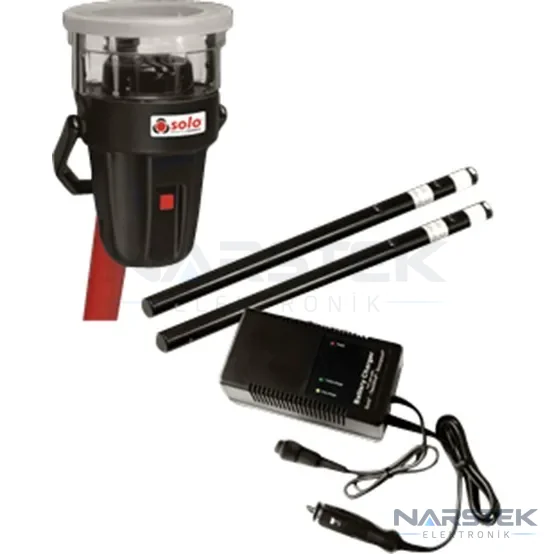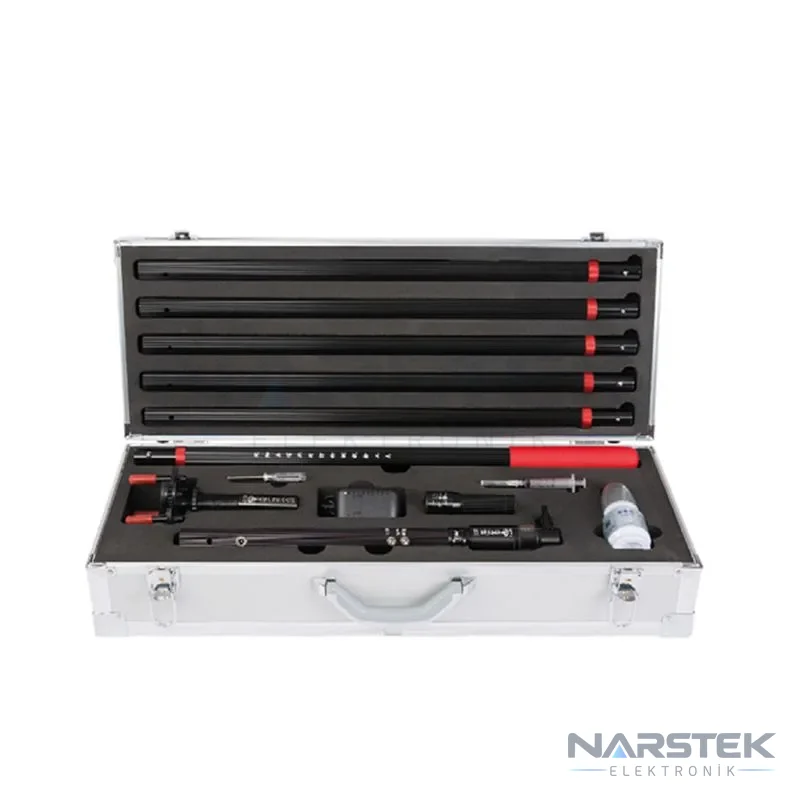
How is a detector tested? Use a test device suitable for the type of detector, check that the alarm is correctly displayed at the fire panel, and return the system to normal operation after testing. Use a suitable test aerosol for smoke detectors and a heat detector tester for heat detectors.
Before testing, determine how the fire panel and any evacuation sequence will be affected. Inform the relevant people, keep a record of the test and verify that each device has returned to normal operation. A detector should not be assumed to be working just because its LED is flashing.
Prepare the fire panel and the area before testing
First, identify the detectors to be tested. In an addressable system, each device appears at the fire panel under its own address; in a conventional system, devices are monitored by zone. Checking that the correct address or zone goes into alarm at the fire panel is an important part of the field test.
Before testing begins, inform the building manager, security team, facilities manager and anyone else who may be affected. Check whether the fire alarm will activate sounders, public address announcements, door holders or other sequences. To avoid unnecessary evacuation or external notifications, follow the test procedure specified by the manufacturer. If an output needs to be disabled, do so with the knowledge of an authorised person and only for the duration of the test.
- List the devices to be tested and their locations.
- Check how to use the fire panel's test mode and which outputs it affects.
- Prepare a suitable test device and consumables compatible with the detector.
- Ensure safe access to the work area when using a ladder or telescopic pole.
The presence of a maintenance or test mode on the fire panel does not mean that all alarm functions are automatically disabled safely. Follow the fire panel user manual and the site's sequence of operation. For other steps in fire panel and detector maintenance, see our addressable fire alarm system maintenance guide.
How to test a smoke detector with test gas
Use the test aerosol and detector test equipment approved by the manufacturer. Apply the aerosol to the detector’s sensing chamber in a controlled manner. Follow the application method specified in the product instructions; using too much or an incompatible substance may contaminate the detector or produce an incorrect result.
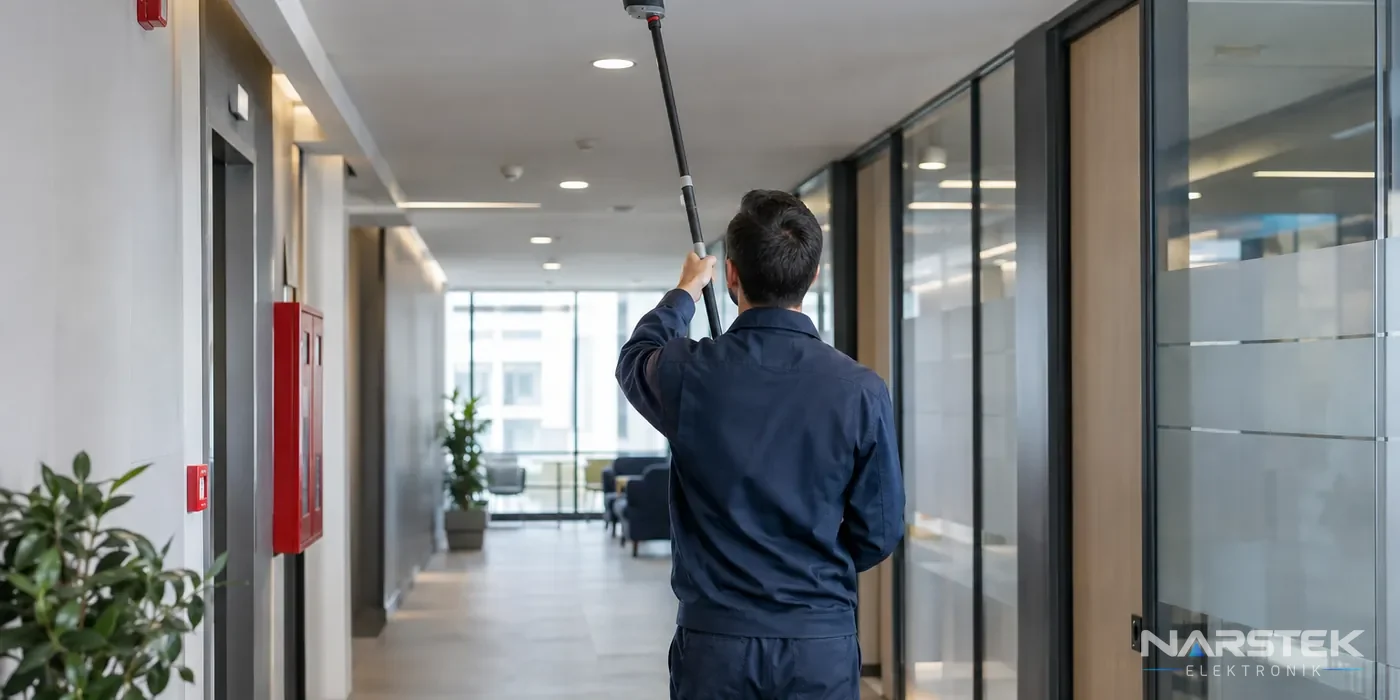
Use a test pole or telescopic pole to reach detectors mounted at ceiling height. Position the test cup over the detector and apply the aerosol in a controlled manner. Then check whether the detector alarms and whether the panel identifies the relevant device or zone. Do not set your own values for matters such as the time required for an alarm to occur; follow the method in the manufacturer’s documentation.
After testing, allow the detector to return to normal and confirm that the alarm has reset at the panel. Do not use a random aerosol to produce smoke for every test. Sprays not specified as compatible with the detector may leave residue or affect its detection behaviour.
You can consider the Finder FF SMOKE-PRO test device for testing both smoke and heat detectors. Consumables used for smoke testing also include Apollo Testifire TS3 smoke capsules. Compatibility and the method of use must be determined in accordance with the instructions provided by the manufacturers of the relevant detector and test equipment.
Use the Correct Equipment to Test Heat Detectors
Use a heat test device designed for detectors to check a heat detector. Bring the device close to the detector and perform the test as described by the manufacturer. Once you have confirmed that the correct alarm information appears at the panel, move the test device away, allow the detector to return to normal and check the panel.
Do not heat the detector with a lighter. An open flame may damage the detector housing, ignite nearby materials or make the test result uncontrolled. Hot-air sources such as domestic hairdryers are not suitable substitutes for a proper test device either; the temperature and application distance may not be controllable.
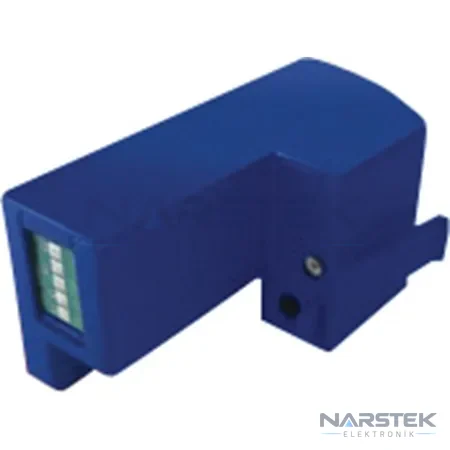
Apollo 29600-212 Solo 461 is one option for wireless testing of heat detectors. The Finder FF SMOKE-PRO is also listed for functional testing of heat and smoke detectors. Before testing, confirm that the device is compatible with the detector model and check the application method.
How to Test Beam and Aspirating Detectors
The test method for beam detectors differs from that for conventional point detectors. Check the beam’s detection response using the test filter specified by the manufacturer. Apply the filter at the location and for the duration described in the detector instructions; permanently blocking the beam or covering it with random materials is not a proper test. Also confirm that the expected device or zone information appears at the panel during the test.
Test aspirating systems at the test point specified by the manufacturer. Instead of applying the test substance to any hole in the system’s air-sampling pipe, use the designated test point and follow the device instructions. Check that the alarm is correctly displayed at the panel. After testing, make sure the system has returned to normal and that no fault warning remains on the pipework or detector.
Access, test substances and expected responses may vary depending on the device in these systems. The Accessories and peripherals category includes test equipment for a range of detectors and systems. Do not assume that a product in the catalogue is compatible with a particular detector just because its name is similar.
Verify the Test Result at the Panel and Keep a Record
Applying a test to the detector alone is not sufficient. Check that the alarm comes from the correct device, that the panel displays the correct address or zone, and that any associated warnings operate as expected. Addressable systems display an individual device address at the panel; conventional systems display the relevant zone.
Record the result for each device. A simple record table may include the following fields:
| Record field | Information to enter |
|---|---|
| Device details | Location, device name or address; zone information for a conventional system |
| Test method | Smoke aerosol, heat test device, beam filter or aspirating system test point |
| Conclusion | Whether the alarm appeared at the panel, and any observations or faults |
| Close-out | Confirmation that the detector and panel have returned to normal operating status |
When testing is complete, return the panel to normal operating status. Re-enable any outputs or scenarios that were temporarily disabled for the test, and check that no active alarm or fault remains at the panel. Record any issues found during testing and note whether maintenance or repair is required. For possible causes of false alarms, see our article on why a fire alarm sounds for no apparent reason.
Test Frequency and Maintenance Responsibilities
Under Article 84 of the Regulation, responsibility for the periodic inspection, testing and maintenance of fire detection and alarm systems rests with the building owner or manager, or with a building representative to whom authority has been delegated in writing. The Regulation does not set a fixed number of days or months for all buildings; frequency is determined in accordance with the relevant standards and system requirements.
A common industry practice is to carry out comprehensive maintenance at least twice a year, supported by regular brief checks by the user. This practice should not be treated as a fixed number prescribed by law for every building. A maintenance plan should take account of the system type, building use and manufacturer’s instructions. For information about service and maintenance, visit our Security Systems Service and Maintenance page.
Request a Test and Maintenance Quote from Narstek
Based in Istanbul, Narstek Elektronik provides site surveys, design, installation, maintenance and fault repair services for fire detection and alarm systems. You can contact us to request technical support with selecting test equipment or checking your existing system.
For a quote or service request, please provide the building’s district and type of use, the panel’s make and model, whether the system is Addressable or Conventional, the types and approximate number of detectors to be tested, any known fault messages, and your preferred time for the work. If available, please also attach photos of the panel display and detector labels. You can use the Survey / quote form, call us on 0212 424 07 24 or message us on WhatsApp at 0540 001 07 24.
Frequently asked questions
What equipment is used to test a smoke detector?
Use a test aerosol and a suitable test head that comply with the manufacturer's instructions. Avoid using random aerosols, as incompatible sprays may leave residue.
Should the alarm system be disabled while testing a detector?
Before testing, check how the fire panel's test mode and evacuation sequence will be affected, and inform the relevant people. If any output is temporarily disabled, this must be done with the knowledge of an authorised person and re-enabled after testing.
Is it safe to test a fire detector with a lighter?
No. An open flame can damage the detector or nearby materials and may trigger an uncontrolled alarm. Use a suitable heat detector tester for heat detectors.
How often should a fire detection system be tested?
Article 84 of the Regulation defines responsibilities for periodic inspection, testing and maintenance, but does not specify a fixed interval in days or months for all buildings. The frequency should be determined in accordance with the system requirements and relevant standards.
Share the panel brand, number of devices and address, and we’ll get back to you about a site survey and quote.