A school fire alarm system consists of more than just detectors in classrooms. Protecting manual call points and sounders from students, alerting people who are asleep in boarding accommodation, and selecting suitable detectors for kitchens and laboratories are also part of the plan.
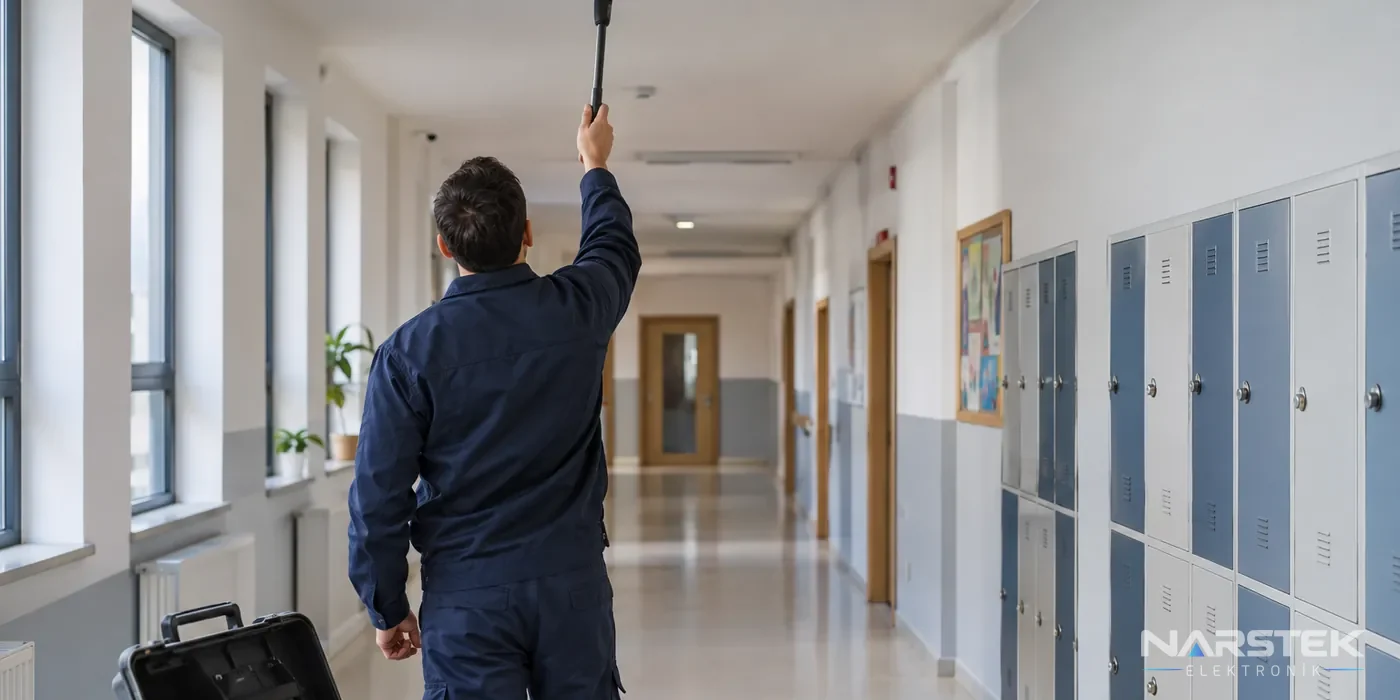
The holiday period provides a suitable opportunity to carry out these checks while the school is empty. By planning maintenance and panel testing alongside an evacuation drill, you can check the system and review staff responsibilities in practice.
Check the System Scope and Records First
Before maintenance, compare the existing project, the device list on the panel and previous service records. If classrooms, boarding accommodation, kitchens or laboratories have been refurbished recently, check whether device locations and the addresses or zones shown on the panel are consistent with these changes. New partition walls, relocated doors or changes in how spaces are used may affect the detection and alarm arrangements.
In addressable systems, each device appears on the panel under its own address. In conventional systems, devices are monitored by zone. Compatibility of addressable detectors and modules depends on the panel’s communication protocol; do not assume that devices from different brands will work with every panel. If you are considering replacing the panel or devices, verify compatibility against the manufacturer’s documentation and the existing project. For information about system selection and maintenance, visit our Fire Detection and Alarm Systems service page.
Protect Manual Call Points and Sounders from Students
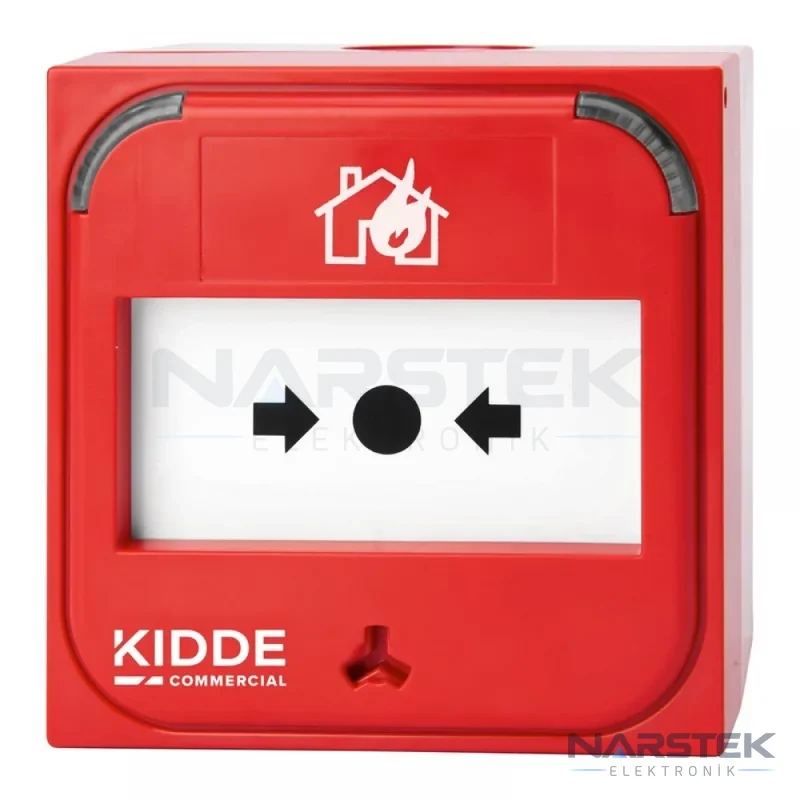
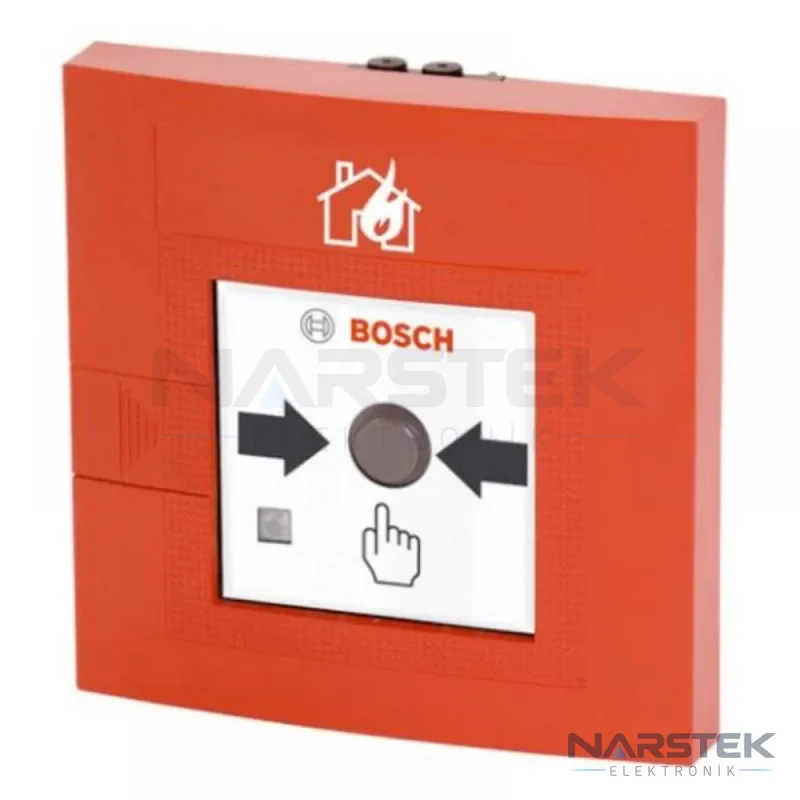
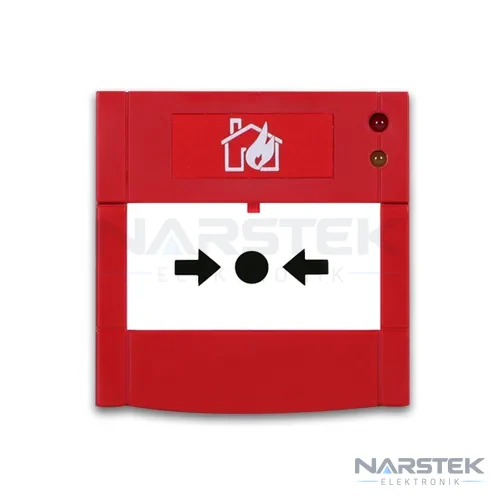
Manual call points and sounders in corridors may be within students’ reach. Suitable protective covers can be considered to reduce the risk of accidental activation. A cover must not delay access to the call point in a genuine emergency; explain clearly to school staff and students how it is used. Do not allow cupboards, noticeboards or other items to obstruct the call point.
During maintenance, check the physical condition of the call point and verify that the correct alarm information appears on the panel. Confirming that the sounders operate may not be sufficient; also assess whether the alarm can be heard in different corridors, floors and communal areas. Audible alarm devices are covered by EN 54-3, and visual alarm devices by EN 54-23. The need for visual alarms should also be considered in areas used by people who require hearing support.
Those wishing to view example products can browse the Manual Call Points category. The KE-DM3010R-KIT, FMC-210-DM and ML-1710 models in the catalogue are options for different addressable systems. When selecting a product, verify compatibility with the existing panel and the installation requirements; the product name alone does not guarantee compatibility.
Assess Whether People Asleep in Boarding Accommodation Will Be Alerted
In boarding schools and dormitories, check separately that the alarm will reach people who are asleep. Assess whether the audible alarm can be heard in rooms used at night and in communal areas, including when doors are closed. The use of visual alarm devices at locations where they are considered necessary can be assessed in accordance with the project and users’ needs.
Do not assess this solely on the basis of whether the device operates. The drill plan should also cover how night staff will become aware of the alarm, how boarding floors will be alerted and which routes students should use. The alarm scenario and evacuation arrangements should be consistent with the school’s existing plan.
Review Detector Types in Kitchens and Laboratories
Cooking vapour in kitchens and particles generated by activities in laboratories can cause unwanted alarms from smoke detectors. Considering heat detectors in suitable locations in these areas is part of the detection design. Heat detectors are covered by EN 54-5, and smoke detectors by EN 54-7. The detector type and location should be determined according to the use of the area and the project.
Selecting a heat detector does not mean that smoke detection is unnecessary in that area. Consider the laboratory’s use, the location of equipment, ventilation and environmental conditions together. During maintenance, check detectors for dust and contamination, physical damage and correct installation, and verify the alarm information displayed on the panel. Follow the device manufacturer’s instructions for the test method.
Holiday Period Maintenance Checklist
Article 84 of the Regulation on the Protection of Buildings from Fire places responsibility for ensuring that fire detection and alarm systems are inspected, tested and maintained in accordance with the system requirements set out in the relevant standards on the building owner and manager, or an authorised building representative to whom responsibility has been delegated. The regulation does not set a fixed maintenance frequency in days or months. Frequency is determined according to the standard and the system.
A common practice in the field is to carry out at least two comprehensive maintenance visits per year, along with regular brief checks by the user. This practice should not be taken as a mandatory figure specified by legislation. The following items can be included in the maintenance plan for a visit during the holiday period:
- Review fire, fault and disabled indications on the panel and compare them with the records.
- Check the physical condition and operation of detectors, manual call points, sounders and any visual alarm devices.
- Check device addresses in addressable systems and zone information in conventional systems.
- Assess the operation of isolators that protect the remaining part of the loop in the event of a short circuit, and check the loop status.
- Check that the cable used in the fire alarm circuits is suitable for the project and installation. Fire-resistant, halogen-free cables should be used; examples include classes FE180 and PH120.
- Check the condition of the panel batteries. These are typically 12 V VRLA lead-acid batteries and are replaced approximately every 3-5 years, in accordance with the manufacturer’s recommendations. Capacity is calculated based on the standby and alarm periods; the power supply is covered by TS EN 54-4.
At every maintenance visit, record any faults found, tests carried out, parts replaced and outstanding work. For detailed maintenance steps, see our fire alarm system maintenance checklist article.
Plan the panel test together with the evacuation drill
The panel test and evacuation drill can be planned as part of the same maintenance schedule. The school management, technical team, security staff and relevant personnel should be informed of the test time in advance. Explain beforehand that the alarm is for testing purposes and which areas it will be audible in; also determine the evacuation routes to be used during the drill.
During the test, observe whether the alarm is correctly associated with the relevant zone or device on the panel, whether the warning devices operate, and whether the designated personnel can follow the procedure. Once the test is complete, confirm that the panel has returned to normal operation, that any section disabled for testing has been re-enabled, and that no fault indicators remain. The scope and method of the test should be determined in accordance with the instructions of authorised technical personnel and the manufacturer.
CCTV recording requirements in schools are a separate matter from fire alarm maintenance. For the Ministry of National Education letter on CCTV recording requirements, see our MEB private schools and institutions CCTV recording period article.
To request a maintenance quote from Narstek
Narstek Elektronik, based in Istanbul, provides site surveys, design, installation, maintenance and fault repair services for fire detection and alarm systems, and supplies projects and products across Türkiye. To prepare a quote, provide the school’s district, the number of buildings and floors, any boarding accommodation, the panel make and model, whether the system is addressable or conventional, and the latest maintenance records. Also include any areas undergoing renovation and suitable holiday dates for maintenance.
You can fill in the survey / quote form, submit a technical service request, or call 0212 424 07 24. To contact us via WhatsApp, use 0540 001 07 24.
Frequently asked questions
How often should a school fire alarm system be maintained?
Article 84 of the Regulation does not specify a fixed interval in days or months; periodic inspection and maintenance are determined by the system requirements and relevant standards. A common industry practice is to carry out at least two comprehensive maintenance visits per year, alongside regular brief checks by users; this frequency is not a statutory requirement.
Should heat detectors be used instead of smoke detectors in kitchens and laboratories?
This decision depends on the use of the area, environmental conditions and the project design. If cooking vapour or laboratory activities could cause unwanted smoke alarms, heat detectors may be considered in suitable locations; this does not mean that smoke detection should be removed in every case.
Can detectors from different brands be used in an addressable fire alarm system?
The compatibility of addressable detectors and modules depends on the panel’s protocol. Do not assume that products from different brands are compatible; check the manufacturer’s documentation and the existing system before making any changes.
Can a fire panel test and an evacuation drill be carried out on the same day?
Yes, they can be carried out together if properly planned. Inform the school management and relevant staff in advance, define the test area and evacuation arrangements, and verify that the panel has returned to its normal condition when the work is complete.
Share the panel brand, number of devices and address, and we’ll get back to you about a site survey and quote.