A hotel fire alarm system should be planned to include the selection of suitable detection devices in rooms, audible warnings in corridors and common areas, and alarm management from reception. The 31 May 2026 date is also an important deadline for accommodation businesses whose fire brigade report process is ongoing.
The regulation published in the Official Gazette dated 10 January 2026, No. 33133, concerns certain accommodation businesses. The system should be designed and maintained according to the characteristics of the building; selecting a product alone does not guarantee compliance or the issue of a report.
Which accommodation businesses are covered by the 31 May 2026 regulation
Transitional Article 9 of the amendment to the Regulation on the Opening and Operation Licences of Workplaces sets out the inspection process for accommodation businesses granted time under Transitional Article 4. If, during the inspection, they cannot provide a fire brigade report demonstrating compliance with the Regulation on the Protection of Buildings from Fire, the workplace will be suspended from operating until 31/5/2026. If they still cannot provide the report by the end of this period, their licence will be cancelled and the business closed.
For this reason, the business manager should monitor not only whether the fire alarm panel is operating, but also any shortcomings in the building’s fire safety and the preparations required for the report. Our pre-inspection checklist for the fire brigade compliance report may help with system checks before the report is issued. For more details on the scope of the regulation, see our article on Transitional Article 4 and the time period.
Detector selection and bathroom steam in hotel rooms
The detection device in a room should be selected according to the room’s use, layout and approved design. A smoke detector near the bathroom door may cause unwanted alarms due to steam produced during a shower. When determining the detector location, assess the likelihood of bathroom steam reaching the sensor and the airflow in the room.
Rather than choosing the same device for every room, assess the risks and conditions in each space. A heat detector may be considered where a smoke detector is unsuitable or the likelihood of false alarms is high; the selection and location should comply with the design and manufacturer’s documentation. Smoke detectors are covered by EN 54-7, and heat detectors by EN 54-5.
As well as ensuring that devices in guest rooms are operational, it is important to ensure that alarm information is correctly reported for the relevant zone or address. During maintenance, checks are made to confirm that detector alarms reach the panel, to identify any faults or signs of contamination, and to verify that the location shown on the panel matches the site. A survey and maintenance plan for fire detection and alarm systems can be prepared by reviewing the existing installation and project documentation.
Audible and visual alerts in corridors
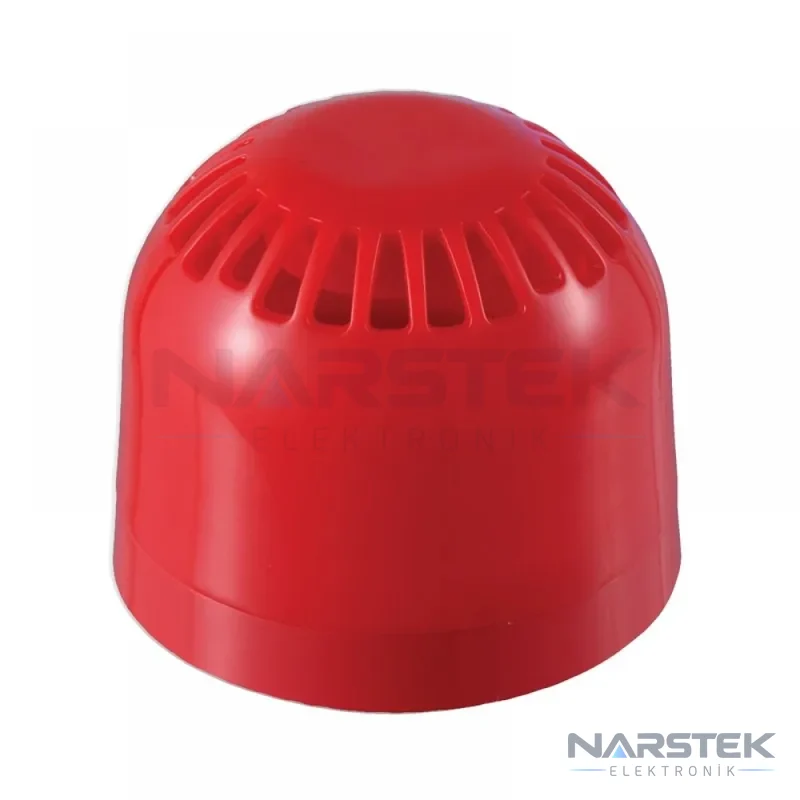
Corridor sounders must be positioned so that alarms can be heard in guest rooms and shared areas. Whether the sound can be heard with doors closed and amid surrounding noise cannot be determined from the device’s technical rating alone. The building’s acoustics and device locations should be considered together during design and commissioning.
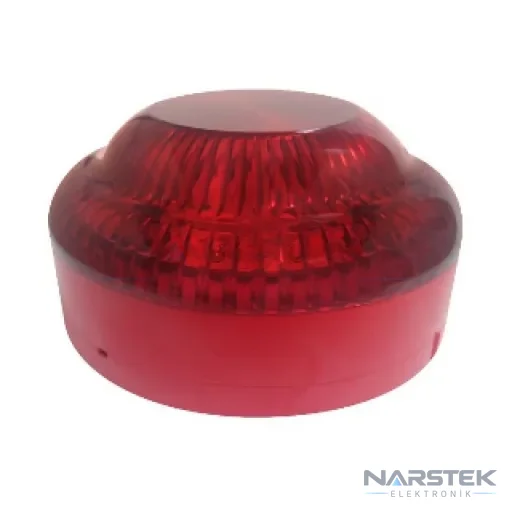
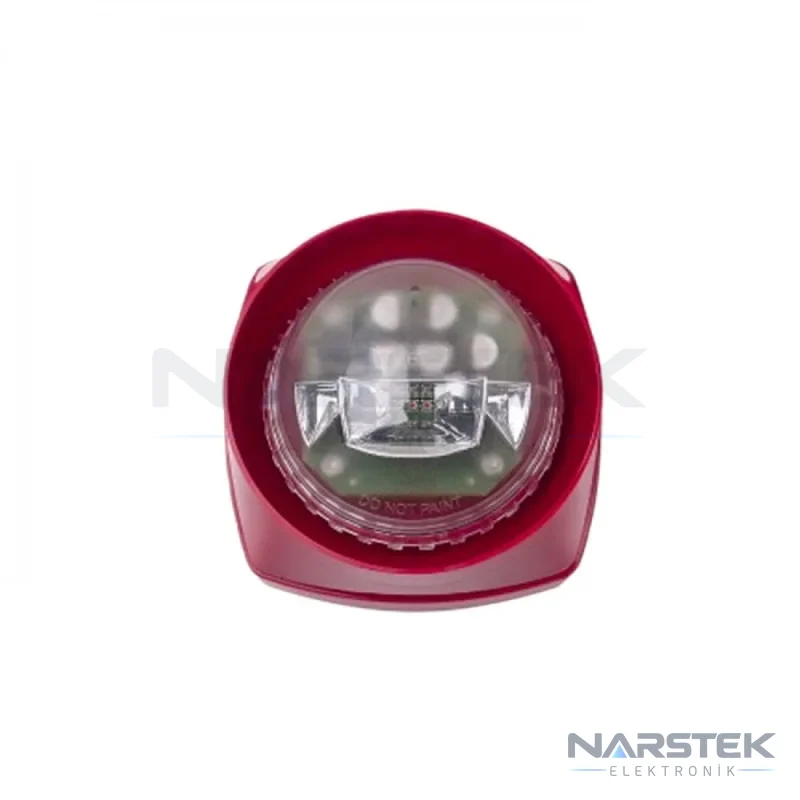
Audible alerts are particularly important to ensure that sleeping guests notice an alarm. Visual alert devices may also be considered in the design for people who may need hearing assistance or may have difficulty hearing an audible alarm. EN 54-3 concerns audible warning devices, while EN 54-23 concerns visual warning devices. The location of a beacon and the alarm scenario should be treated as part of the design, not as a replacement for audible alerts.
The catalogue includes, for example, an AS2363 addressable loop-powered sounder, an 807214RR sounder with beacon, and an VALKYRIE-AB addressable beacon. These products should be considered for use only after confirming panel protocol, project requirements, installation location and system compatibility. See the Sounders and Beacons category for other options.
Benefits of a fire panel and addressable system at reception
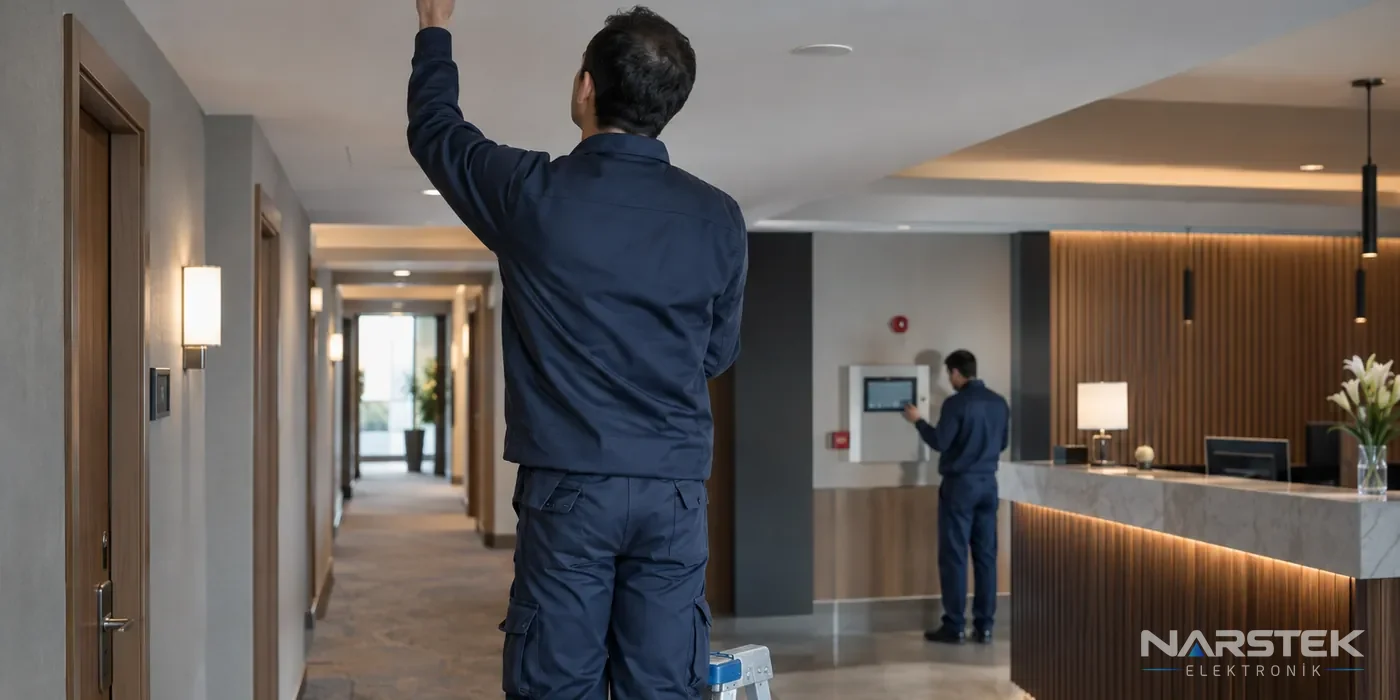
A fire alarm control panel or suitable repeater panel at reception enables staff to see alarm and fault information. The reception operating arrangements, night shifts and the procedures staff should follow in the event of an alarm should all be considered together. When choosing the panel location, ensure that the responsible staff can see and access the display.
In an addressable system, each device appears on the panel with its own address. In a conventional system, devices are monitored by zone. In large hotels or those with many rooms, an addressable system can make it easier to identify which detector triggered an alarm. This provides the site team with more direct information when investigating the location of a fault or alarm; however, system selection should take the building and existing installation into account. For a detailed comparison, see the comparison of addressable and conventional fire alarm systems.
Addressable detectors and modules depend on the panel’s communication protocol. Do not assume that devices from different manufacturers will work on the same loop; verify product compatibility using the manufacturer’s information and panel documentation. A loop is a ring circuit fed from both ends. Isolators on the line help protect the remaining part of the loop in the event of a short circuit.
Maintenance and false alarm management while guests are in-house
Maintenance carried out while a hotel is occupied can affect the guest experience. The test programme should therefore be shared with hotel management in advance; room access, floor plans, working hours and alarm scenarios should be agreed together. Informing staff during testing helps prevent planned maintenance alerts from being mistaken for a real alarm.
A false alarm can disrupt a guest’s stay and adversely affect how staff respond to a real alarm. Steam, unsuitable detector positioning, contamination and faults in the installation are among the causes that should be investigated. Rather than simply silencing the alarm, investigate its source using the address or zone shown on the panel. For more information on the causes of false alarms and steps to resolve them.
Under Article 84 of the Regulation, emergency lighting, signage, and fire detection and alarm systems are subject to the periodic inspection, testing and maintenance required by the relevant standards. This is the responsibility of the building owner and manager, or a building representative to whom responsibility has been formally delegated in writing. The Regulation does not specify a fixed interval in days or months; maintenance frequency is determined by the system’s requirements and the relevant standards. Comprehensive maintenance at least twice a year is common practice in the sector, but this should not be presented as a frequency required by law. Regular brief checks by users may also be included in the maintenance plan.
Fire alarm circuit cables should be fire-resistant, for example, class FE180 or PH120, and halogen-free. Panel batteries are typically 12 V VRLA lead-acid batteries; the replacement interval is determined in line with the manufacturer’s recommendations and is often assessed at approximately 3-5 years. Battery capacity is calculated based on standby and alarm durations; the power supply is covered by TS EN 54-4. The maintenance team’s report should record the devices tested, faults identified and work carried out.
Request a Survey and Quote from Narstek
Narstek Elektronik Bina Teknoloji San. ve Tic. Ltd. Şti. provides site surveys, design, installation, maintenance and fault repair services for fire detection and alarm systems, based in Istanbul, and supplies products and delivers projects across Türkiye. When requesting a quote, please provide the building address, number of rooms and floors, the make and model of the existing panel, any available fire alarm project documentation, and known faults or missing reports. Details of the hotel’s occupancy arrangements and suitable maintenance time slots will also help with planning.
You can complete the survey / quote form, call 0212 424 07 24, or contact us on WhatsApp at 0540 001 07 24. If you need technical support, you can submit a technical service request. Narstek’s address is Tevfikbey Mah. Halkalı Cad. No:112 Nazlı İş Merkezi Kat:3 Ofis No:64 Küçükçekmece / İstanbul.
Frequently asked questions
Does the 31 May 2026 date have the same implications for all hotels?
Transitional Article 9 of the Regulation covers accommodation businesses that have been granted time under Transitional Article 4. If these businesses cannot provide a fire brigade report demonstrating compliance, the provisions on suspension of operations and cancellation of the licence at the end of the period apply.
Can a smoke detector be installed near the bathroom in hotel rooms?
The location should be determined by assessing the likelihood of bathroom steam reaching the detector and the characteristics of the room. If there is a risk of false alarms, another detection option that complies with the design and manufacturer’s documentation may be considered.
How many times a year is fire alarm system maintenance legally required?
Article 84 of the Regulation does not specify a fixed day or interval in months; inspection, testing and maintenance should be carried out as required by the relevant standards and the system. At least two comprehensive maintenance visits per year is common practice in the industry, but this is not a legally specified number.
Can an addressable detector from a different brand be connected to an existing panel?
The compatibility of addressable detectors and modules depends on the panel’s protocol; products from different brands should not be assumed to be compatible. The decision should be made after checking the documentation from the panel and device manufacturers.
Share the panel brand, number of devices and address, and we’ll get back to you about a site survey and quote.