When looking for an Apollo detector, first confirm which protocol the existing fire alarm panel uses. Devices from the same manufacturer may not work with every panel; compatibility depends on the protocol between the panel and field device, rather than the detector name alone.
Apollo is a manufacturer known for detectors, call points, modules and other field devices for fire detection systems. When selecting a panel or looking for a spare part, consider the exact product model together with the make of the panel in the system.
What products does Apollo manufacture
Apollo products are used on the field-device side of detection and alarm systems. Product groups include smoke and heat detectors, manual call points, interface and monitoring modules, warning devices and components for some specialist applications. It would not be accurate to describe Apollo generally as a fire panel manufacturer. Some sales catalogues may list panels or repeater panels under the Apollo name; check the model and technical documentation rather than assuming the product name alone identifies the manufacturer.
In addressable systems, each device appears on the panel with its own address. In conventional systems, devices are monitored by zone rather than addressed individually. Therefore, a detector fitting physically onto the base does not mean it will communicate with the system. The protocol supported by the panel, the device type and the existing system configuration must all be checked.
For further information on panel selection or capacity planning, see our article on key considerations when choosing a fire panel and our fire detection and alarm systems service page.
Differences between the XP95, Discovery and Soteria series
XP95, Discovery and Soteria refer to different Apollo product families. It is not safe to assume that the series are interchangeable based on their names alone. Selection should be based on the project requirements, panel protocol, the device's full product code and the compatibility information in the manufacturer's documentation.
| Series | General overview | What to check when selecting |
|---|---|---|
| XP95 | One of the Apollo product families found in addressable systems. | Whether the existing panel supports XP95 devices and the relevant product code |
| Discovery | An Apollo product family with a range of device models. | Approved compatibility with the panel and software version |
| Soteria | An Apollo product family; the product's own documentation should guide selection. | Detector type, panel protocol and compatibility with the existing system |
This general distinction does not constitute a technical guarantee regarding a particular detector's detection algorithm, sensitivity value or compatibility with a panel. Such details may vary by product model and should be checked against the manufacturer's documentation. Sharing the detector label, panel model and, if possible, the device information shown on the panel when requesting a site survey or quote will make it easier to identify the correct product family.
Panel compatibility and replacement selection for older XP95 systems
Apollo field devices may be used with some panels that use the Apollo protocol. Relevant panel models from brands such as C-TEC, Ziton, Kilsen, Global Fire and Aritech may fall into this category; however, the brand name alone is not sufficient. Do not assume that every panel supports all Apollo products. Verify compatibility for the specific panel model and product code using the manufacturer's documentation or an authorised technical service provider.
When looking for a replacement detector for an older XP95 system, first record the full code on the removed device. Then check the panel model, whether the device is addressable or conventional, and any information about the existing base. Detectors that look similar may not have the same electrical or protocol compatibility. If the product is no longer manufactured, any equivalent device should also be selected with the approval of the panel manufacturer and in accordance with the system documentation.
Compatibility between Discovery and XP95 should not be assumed automatically for every device. Some product records may state that specific devices are compatible with both systems; this information cannot be generalised to all detectors and modules. Before replacement, check the model, panel and manufacturer's compatibility information together. If necessary, test after replacement to confirm that the devices appear at the correct addresses on the panel and that alarm conditions are transmitted correctly.
A loop is a ring circuit that leaves the panel and is fed from both ends. Isolators help protect the remaining section of the circuit in the event of a short circuit. Adding or replacing a device on an addressable circuit involves more than mechanical installation; the wiring, addressing and device descriptions on the panel must also be checked.
Examples of Apollo products in the catalogue
The Apollo product catalogue includes devices and accessories for a range of applications. The examples below can help you identify the product groups. Please also confirm availability and production status, as well as system compatibility, before purchasing.
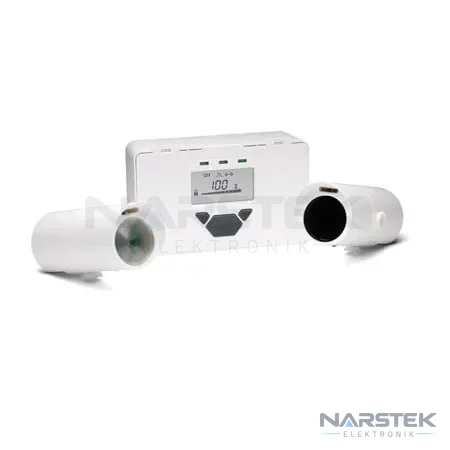
- Apollo 29600-929 is a conventional beam detector designed for use in large areas with high ceilings.
- Apollo 58000-300APO is a Carbon Monoxide detector in the Discovery series.
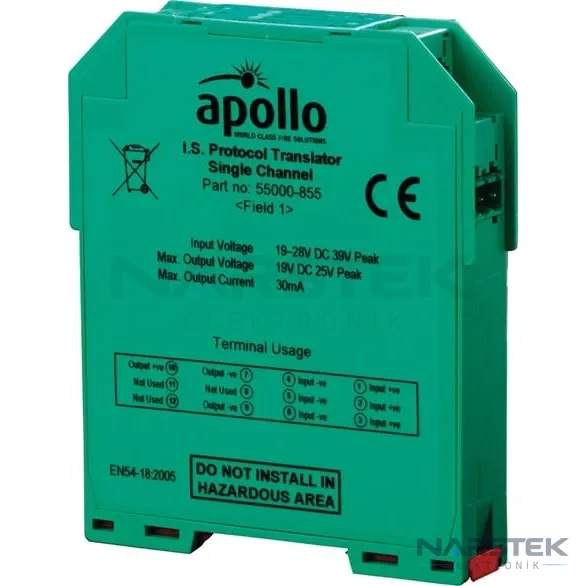
- Apollo 55000-855APO is an interface product listed as an XP95 protocol converter.
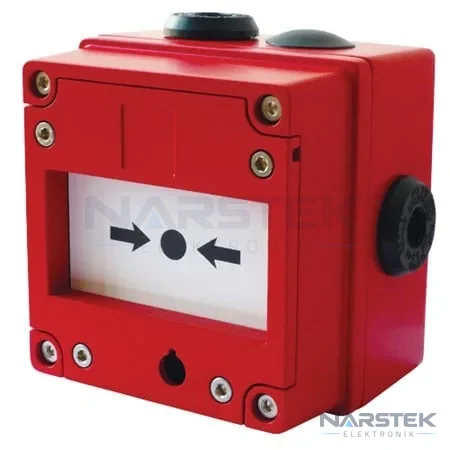
- Apollo 29600-508 is a conventional, flameproof manual call point.
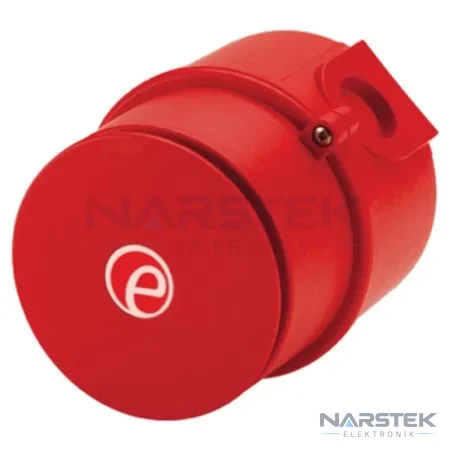
- Apollo 29600-379 is a conventional outdoor sounder specified for intrinsically safe applications.
See other examples of products in the range on the Apollo products page. Not every product listed will be suitable for every Apollo-protocol panel. For specialist and intrinsically safe applications in particular, the product's operating conditions and any required interfaces should be considered in accordance with the project documentation.
What to check during maintenance and device replacement
During maintenance, check the panel's fault and alarm records, device addresses and descriptions, the physical condition of the detectors and their communication. Dust, paint, moisture, covers left in place during building work or incorrect installation can affect detector operation. When a device is replaced, do not stop at installing the new product; test that the correct device appears on the panel and that the relevant alarm scenario operates as intended.
Fire-resistant, halogen-free cable suitable for the project should be considered for fire alarm circuits. Example classifications include FE180 and PH120. The cable type, route and system requirements should be determined according to the project. Panel batteries are generally 12 V VRLA lead-acid batteries and may be replaced approximately every 3-5 years in line with the manufacturer's recommendations; capacity should be calculated based on the required standby and alarm durations.
Article 84 of the Regulation places responsibility on the building owner and manager to ensure that fire detection and alarm systems are periodically inspected, tested and maintained in accordance with the requirements set out in the relevant standards. The article does not specify a fixed maintenance interval in days or months for all buildings. The frequency should be determined according to the system and the relevant standard. At least two comprehensive maintenance visits per year, together with regular brief user checks, are common industry practice, but this should not be taken as a fixed statutory number for every building.
Read our article on the fire alarm system maintenance checklist for detailed inspection steps, and find out more about panel and detector maintenance in addressable systems.
Request a compatibility check and quote from Narstek
Narstek Elektronik provides fire detection system surveys, design, installation, maintenance and fault repairs from its base in İstanbul; it also supplies products and supports projects across Türkiye.
For a quote or technical assessment, please share the fire panel make and model, the full product code of the existing detector, the reason for the fault or replacement, the approximate number of devices and the province where the site is located. If available, also include a photo of the fault shown on the panel display and the device label. You can use the Request a Survey / Quote form, submit a technical service request, or call us on 0212 424 07 24. For WhatsApp, message us on 0540 001 07 24.
Frequently asked questions
Does an Apollo detector work with every fire panel?
No. Compatibility between addressable detectors and modules depends on the protocol used by the panel and the products it supports. The exact product code should be verified alongside the panel model.
Can a Discovery detector be fitted in place of an XP95 detector?
This replacement cannot be assumed to be suitable for every device. Check the exact model, panel and manufacturer’s compatibility documentation, then test device communication and alarm functions at the panel after replacement.
What information should I provide when looking for a replacement for an old XP95 detector?
Provide the full product code on the detector, the make and model of the panel, the device location or zone, and any fault information. Photos of the label and panel display can help identify the correct product.
Is the fire detection system maintenance interval fixed by law?
Article 84 of the Regulation sets out the responsibility for periodic inspection, testing and maintenance; it does not specify a single interval in days or months for all systems. The frequency should be planned according to the relevant standards and system requirements.
Share the panel brand, number of devices and address, and we’ll get back to you about a site survey and quote.